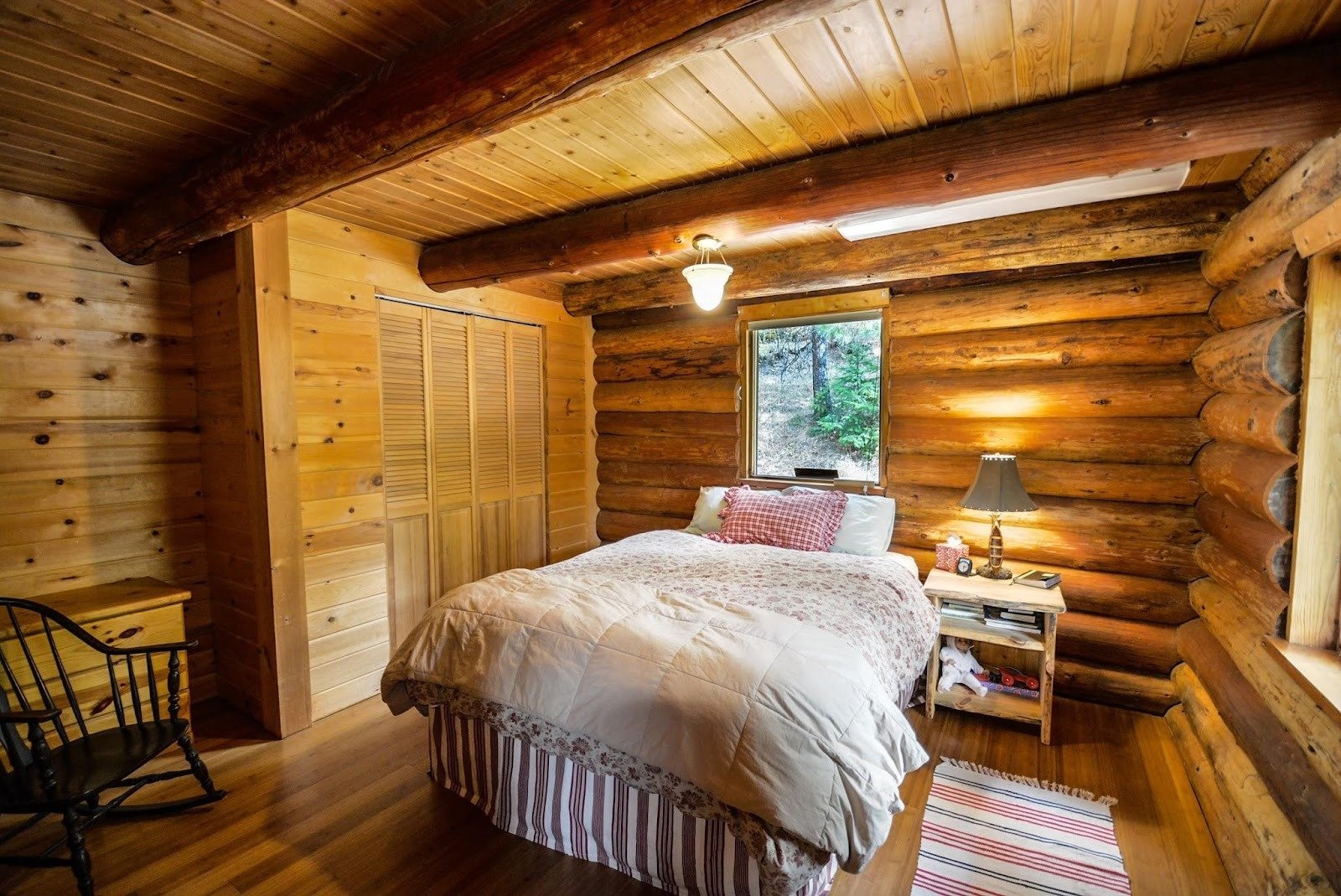

Every construction project tells a story, not just of materials and design, but of planning, coordination, and execution. Timber has long been a trusted component in building, yet its true value becomes clear when it is part of a well-managed project. From early design stages to final installation, timber contributes to a process that balances efficiency, durability, and visual appeal.
As construction continues to evolve, the focus has shifted toward delivering projects that are not only structurally sound but also thoughtfully executed. Timber, when integrated into a carefully planned workflow, supports this shift by offering flexibility and reliability at every stage.
The Role of Timber in Modern Construction Projects
Timber has remained a central material in construction because of its adaptability. It can be used for framing, finishing, and custom design elements, making it suitable for a wide range of applications. This versatility allows it to fit seamlessly into both traditional and modern building approaches.
Recent initiatives, such as efforts to expand timber production and supply, highlight the growing importance of wood in the construction industry. These developments reflect a broader recognition of timber as a sustainable and practical resource for future building needs.
By aligning material selection with these trends, builders can create projects that are both forward-thinking and grounded in proven practices.
Why Well-Managed Timber Projects Stand Out
Clear Planning Leads to Better Outcomes
Successful timber projects begin with detailed planning. This includes selecting the right materials, defining structural requirements, and coordinating timelines. When these elements are addressed early, the construction process becomes more predictable and efficient.
Planning also helps reduce waste and prevent delays. By understanding how each piece of timber will be used, builders can optimize resources and maintain a steady workflow throughout the project.
Coordination Between Teams
Construction projects often involve multiple teams working together. Effective communication between designers, builders, and material specialists is essential for ensuring that each stage of the project aligns with the overall vision.
Timber’s versatility supports this coordination by allowing for adjustments without compromising structural integrity. This flexibility makes it easier to manage changes and maintain progress.
Executing Timber Projects with Professional Expertise
The execution phase is where planning turns into reality. Skilled professionals play a crucial role in ensuring that timber is installed correctly and performs as intended. Their expertise helps maintain consistency and quality throughout the build.
Working with teams experienced in projects from Tar River Timber Works provides access to practical knowledge that supports both efficiency and precision. Their approach focuses on aligning material use with design goals, resulting in projects that are both functional and visually cohesive.
This level of expertise is particularly valuable in complex builds, where attention to detail can make a significant difference in the final outcome.
Connecting Construction with Interior Design
Modern construction is not just about building structures—it is about creating spaces that feel comfortable and well-designed. Timber plays a key role in this transition by offering a material that works equally well in structural and decorative applications.
Interior planning often benefits from understanding how structural elements will influence design choices. This resource on organizing interior structure and layout provides insights into how thoughtful planning can enhance both functionality and aesthetics.
By integrating timber into both construction and interior design, builders can create spaces that feel cohesive from the ground up.
Reducing Challenges Through Smart Project Management
Construction projects often face challenges such as material delays, design changes, and coordination issues. Timber helps address these challenges by offering a material that is both reliable and adaptable. Its workability allows for adjustments without causing major disruptions.
Effective project management further reduces these risks. By maintaining clear communication and organized workflows, teams can address issues quickly and keep the project on track.
This combination of material reliability and strong management practices contributes to smoother construction processes and better overall results.
See also: The Ultimate Guide to Creating Accurate Pay Stubs with StubCreator
Sustainability and Long-Term Value in Timber Projects
Sustainability has become a key consideration in modern construction, and timber offers a natural advantage in this area. When sourced responsibly, it is a renewable resource that supports environmentally conscious building practices.
Timber projects also provide long-term value through durability and energy efficiency. Properly constructed wooden structures can maintain their performance over decades, reducing the need for frequent repairs or replacements. For Ohio homeowners looking to maximize those energy savings, comparing electricity providers through tools like the apples to apples ohio chart can help ensure the efficiency gains translate into lower bills.
By focusing on sustainable practices and quality construction, builders can create projects that benefit both homeowners and the environment.
The Future of Timber in Construction Projects
The construction industry is continually evolving, with new technologies and methods shaping how projects are executed. Timber is expected to play an increasingly important role in this evolution, thanks to its adaptability and alignment with sustainability goals.
Advances in engineered wood products are expanding the possibilities for timber use, allowing for more complex and innovative designs. These developments are helping to redefine what can be achieved with wood in modern construction.
As these trends continue, timber projects are likely to become even more central to the industry. Their ability to combine efficiency, durability, and design flexibility ensures that they remain relevant in a changing landscape.
Conclusion
Timber projects represent more than just construction—they reflect a thoughtful approach to building that prioritizes planning, coordination, and quality. By integrating timber into every stage of a project, builders can achieve results that are both practical and visually engaging.
Through careful management and skilled execution, timber continues to define modern construction success. Its enduring value lies in its ability to adapt to new challenges while consistently delivering reliable performance.


 By
By





 By
By