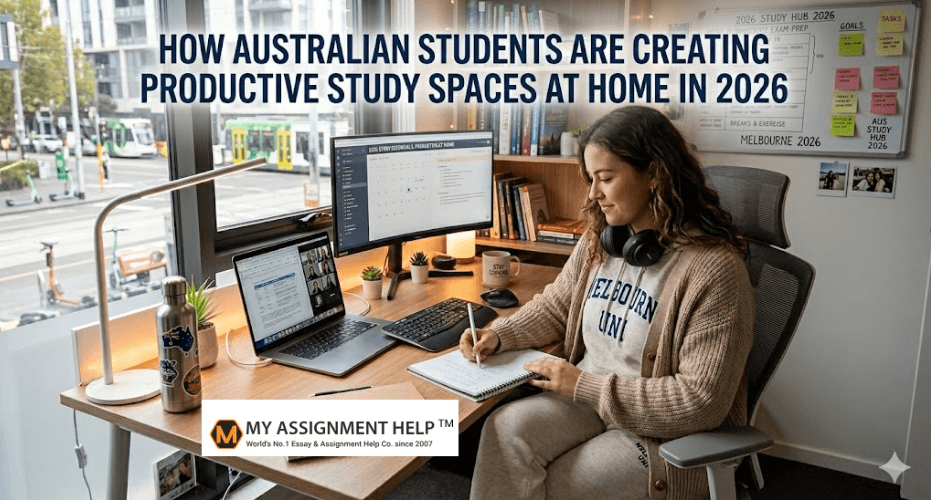

The definition of a “classroom” has fundamentally transformed for Australian students. Whether you are navigating the final years of high school in Melbourne, tackling a demanding undergraduate degree at the University of Sydney, or pursuing post-graduate research from a coastal town in Queensland, one thing is certain: your home study space is now the epicenter of your academic success.
The shift toward hybrid learning models is no longer a temporary adaptation; it is a permanent fixture of the Australian education system. However, as academic pressures mount, the old setup of sitting on the bed with a laptop or crammed at the kitchen table no longer cuts it. In 2026, creating a productive study space is about blending cognitive science, ergonomic physical design, and advanced digital integration.
If you want to upgrade your academic performance, reduce study fatigue, and actually enjoy the hours you spend hitting the books, here is your definitive guide to building a high-performance home study sanctuary tailored for the modern Australian student.
1. The Psychology of Space: Neuro-Architecture at Home
Before buying furniture or looking up student desk setup ideas, it is vital to understand the psychological relationship between your environment and your brain. Neuro-architecture—the study of how the physical environment impacts our brain health and cognitive function—reveals that your surroundings dictate your attention span, stress levels, and memory retention.
The Danger of Multi-Purpose Spaces
The brain thrives on contextual cues. If you study in bed, your brain struggles to separate the cue for relaxation (sleep) from the cue for focus (studying). This cognitive friction leads to poor concentration during the day and insomnia at night.
Designing for Focus
To trigger an immediate “focus state,” establish a dedicated zone exclusively for academics. Even in a small studio apartment or a shared rental house in Sydney or Brisbane, a specific corner or a compact desk that is strictly reserved for study can signal to your brain that it is time to work. When you sit in that chair, your mental clutter drops, and your cognitive processing capacity sharpens. For students managing a heavy academic workload, setting up this physical boundary makes it much easier to balance independent study with external academic support from Myassignmenthelp .
2. Ergonomics for the 2026 Student: The Ultimate Study Desk Setup
Studying for high school exams or university finals requires long, continuous hours of cognitive endurance. Physical discomfort is one of the quickest ways to derail focus. In 2026, Australian students are prioritizing ergonomics to prevent chronic neck, back, and wrist strain.
Dynamic Sitting and Standing
The static sitting posture is outdated. The modern student toolkit frequently incorporates height-adjustable standing desks or compact desk converters. Alternating between sitting and standing every 45 to 60 minutes boosts blood circulation, increases oxygen flow to the brain, and combats the afternoon energy slump. This physical stamina is especially crucial when you are hunkered down for long sessions tackling comprehensive coursework help modules and research papers.
The Ideal Ergonomic Desk Checklist
When configuring your desk and chair for long study sessions, aim for the following alignments:
- Eye Level: The top third of your monitor or laptop screen should be directly at eye level. Use a laptop riser and an external keyboard/mouse to avoid looking downward, which puts immense pressure on your cervical spine.
- The 90-Degree Rule: Your elbows, hips, and knees should ideally rest at a 90-degree angle to maintain neutral joint alignment.
- Foot Placement: Your feet must rest completely flat on the floor or be fully supported by an ergonomic footrest.
- Lumbar Support: Your lower back needs natural curve support. If an expensive office chair isn’t in your budget, a high-density memory foam lumbar roll attached to your standard chair works wonders.
3. Tech Integration and Smart Spatial Design
The modern student’s study space isn’t just physical; it’s deeply digital. With advanced learning tools, virtual classrooms, and cloud-based collaborative platforms forming the backbone of Australian education, seamless tech integration is essential for a productive study environment.
Smart Lighting and Circadian Rhythms
Lighting is a critical factor influencing alertness. Dull, yellow residential lighting induces drowsiness, while harsh overhead fluorescent light causes eye strain and headaches.
Australian students are utilizing smart LED desk lamps that sync with natural circadian rhythms.
- For morning and afternoon intense study blocks: Use a crisp, cool white light (around 5000K) to stimulate alertness and mimic daylight.
- As evening approaches: Transition the bulb to a warm, amber hue (around 2700K) to reduce blue light exposure, signaling your brain to gradually wind down for sleep.
Minimalist Cable Management
A cluttered desk leads to a cluttered mind. Tangled power cords, charging cables, and headphone wires create visual noise that drains mental energy. Incorporate under-desk cable management trays, magnetic cord organizers, and multi-port USB-C charging docks to keep your workspace streamlined and clear.
4. Combating Distractions: Managing Acoustics and Sightlines
Distractions are the greatest threat to deep work. Whether it’s the sound of housemates cooking, traffic on a busy Melbourne road, or notification pings, breaking focus costs an average of 23 minutes to fully regain deep concentration.
Acoustic Isolation
If you don’t have a private, soundproof room, active noise-canceling (ANC) headphones are a non-negotiable tool. Rather than listening to distracting commercial music with lyrics, optimal study acoustics include binaural beats, white noise, or ambient lo-fi soundscapes. These frequencies mask unpredictable background noises and help lock your brain into alpha-wave states associated with deep learning.
Visual Zoning
Position your desk to minimize peripheral visual distractions. Facing a blank wall or a window with a pleasant but static view is ideal. Avoid facing high-traffic areas of your home, like hallways or communal living areas, where passing family members or roommates will constantly pull your eyes away from your work.
5. Biophilic Design: The Best Desk Plants for Student Focus
Australians have a deep connection to nature. Bringing elements of the natural environment into your study space—a concept known as biophilic design—can drastically improve your mental well-being and academic output.
The Power of Indoor Plants
Adding indoor plants to your desk setup is more than just an aesthetic choice. Studies show that looking at greenery reduces cortisol (stress) levels, increases attention spans, and improves air quality by filtering out indoor toxins. Resilient, low-maintenance options perfectly suited for Australian indoor climates include:
- Devil’s Ivy (Pothos): Thrives in indirect light and cascades beautifully off shelves or monitors.
- Snake Plant (Mother-in-Law’s Tongue): Highly durable and excellent for purifying air overnight.
- Peace Lily: Signals clearly when it needs watering and tolerates darker, lower-light rooms well.
Maximizing Natural Ventilation
A stuffy, carbon-dioxide-heavy room causes lethargy and brain fog. Whenever the Australian weather permits, crack open a window to allow fresh air to circulate. The gentle movement of air keeps you awake and refreshes the indoor environment.
6. Scent and Color Psychology: Unlocking Sensory Focus
To truly optimize a study space, you must consider all sensory inputs. Color and scent play subtle yet profound roles in how efficiently you process information.
Color Palettes for High Performance
If you have the freedom to paint your study area or add decor, choose your accent colors wisely:
- Blues and Greens: Cultivate a sense of calm, focus, and emotional balance—ideal for intense, high-stress subjects like mathematics, engineering, or medical science.
- Yellows and Oranges: Stimulate creativity, energy, and optimism—perfect for design, writing, and humanities students.
- Avoid Excessive Red or Gray: Overwhelming red can induce anxiety, while too much gray can lower motivation and energy levels.
Aromatherapy for Memory Retention
The olfactory system has a direct link to the brain’s memory and emotion centers (the limbic system). Utilizing an essential oil diffuser during study sessions can enhance cognitive performance:
- Rosemary: Clinically proven to enhance memory retention and speed up cognitive processing.
- Peppermint: Boosts alertness, reduces fatigue, and sharpens concentration.
- Lavender: Perfect for late-night study sessions to manage exam-induced anxiety without causing immediate drowsiness.
7. Maintaining Long-Term Organization and Cleanliness
A highly optimized study space is only effective if it is consistently maintained. A build-up of old coffee cups, scattered loose-leaf papers, and random tech accessories will rapidly degrade your ability to focus.
The “End-of-Day” Reset Routine
Dedicate the final five minutes of daily study time to resetting your workspace. File away loose papers, wipe down your desk surface, close irrelevant browser tabs on your computer, and place your stationery back in its designated drawers. Walking into a pristine, organized workspace the following morning removes the mental friction of starting your next study block.
Analog vs. Digital Task Tracking
Keep your immediate daily goals highly visible. A minimalist desktop whiteboard or a neat acrylic planner allows you to write down your top three academic objectives for the day. Checking off these items physically provides a hit of dopamine, reinforcing positive study habits.
See also: Why Know Your Business Checks Are Critical in Fraud Prevention
Frequently Asked Questions
Q.1 How can I set up a productive study space if I live in a small apartment or shared student housing?
When space is limited, verticality and zoning are key. Use a compact ladder desk to minimize the floor footprint while maximizing shelf space. To establish clear psychological boundaries, use a folding desk or a visual divider like a small bookshelf. If your bedroom is your only option, ensure your desk faces away from your bed, and clear your desktop completely at night to prevent academic anxiety from disrupting your sleep.
Q.2 What is the single most affordable upgrade to improve an ergonomic desk setup?
A laptop riser combined with an external keyboard and mouse is the most cost-effective ergonomic adjustment you can make. Looking down at a laptop flat on a desk forces your neck to support up to 27 kilograms of additional weight due to gravitational leverage. Elevating the screen to eye level immediately alleviates cervical spine tension, preventing the classic “student slouch.”
Q.3 Does listening to music actually help with deep focus during long study blocks?
It depends entirely on the type of music. Cognitive research demonstrates that music with lyrical content actively competes for processing power in the brain’s working memory, which hinders comprehension. For maximum focus, choose lyric-free audio like 60-BPM classical music, ambient electronic soundscapes, or binaural beats set to alpha-wave frequencies (8–12 Hz), which encourage relaxed alertness.
Q.4 How often should I take breaks to maintain focus without losing momentum?
The most effective rhythm is the Pomodoro Technique or its variations, such as working intensely for 50 minutes followed by a 10-minute break. During the break, it is crucial to leave your study desk completely. Walk outside, stretch, or grab a glass of water. This physical transition resets your cognitive fatigue and prevents the mental stagnation that occurs from sitting in the same spot for hours.
Q.5 Are standing desks genuinely better than sitting desks for university students?
Neither prolonged sitting nor prolonged standing is ideal. The true benefit comes from dynamic movement. A height-adjustable desk allows you to shift positions throughout the day, which maintains consistent blood flow to the prefrontal cortex—the area of the brain responsible for problem-solving and executive function. Aim to change your position every 45 to 60 minutes.
The Ultimate Pathway to Academic Excellence
Creating the perfect home study space is an investment in your future. By designing an environment that prioritizes your physical health, supports your psychological focus, minimizes external distractions, and harnesses the soothing benefits of nature, you set yourself up to achieve top marks without burning out.
However, a great environment is only half the equation; mastering complex assignments, heavy essay workloads, and rigorous high school or university grading criteria requires consistent academic support. If you ever find yourself overwhelmed by your coursework despite having an immaculate study setup, seeking professional guidance can bridge the gap. For comprehensive expert assistance with complex essays, research papers, and exam preparation, exploring trusted academic resources like Myassignment.services can give you the competitive edge needed to excel in the competitive Australian academic landscape.
About the Author – Drake Miller
I work as a contributing author for Myassignment.services, where he writes engaging educational content for students worldwide. His blogs focus on assignment writing, study planning, academic productivity, and current education trends. Through his informative articles, he aims to provide students with practical support and useful insights to make their academic journey smoother and more successful.


 By
By




 By
By