
In today’s competitive business landscape, managing vehicle fleets effectively is critical for operational efficiency and cost control. Companies that rely on transportation for delivery, service, or logistics face challenges such as rising fuel costs, vehicle maintenance, regulatory compliance, and driver safety. Implementing advanced fleet solutions can significantly streamline these operations, providing businesses with improved productivity and reduced operational costs.
Understanding Fleet Solutions
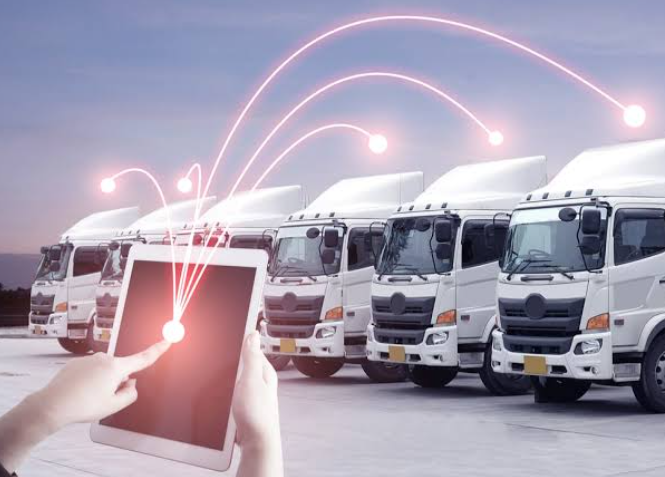
Fleet solutions encompass a wide range of technologies and services designed to optimise the management of commercial vehicles. These solutions typically include telematics systems, vehicle tracking, fuel management, maintenance scheduling, driver behaviour monitoring, and route optimisation. By integrating these components, businesses can gain comprehensive oversight of their fleet’s performance.
The primary goal of fleet solutions is to promote efficient use of vehicles, minimise downtime, and enhance driver safety. This results in better resource allocation, lower fuel consumption, and decreased environmental impact. Additionally, fleet solutions facilitate compliance with regulations concerning vehicle maintenance and driver working hours, ensuring businesses operate within legal frameworks.
Benefits of Implementing Fleet Solutions
One of the chief advantages of adopting innovative fleet solutions is the ability to access real-time data. Business managers can monitor vehicle locations, track deliveries, and respond swiftly to unexpected changes or delays. Real-time insights also support proactive maintenance, warning of potential mechanical issues before they lead to costly breakdowns.
Better scheduling and route planning made possible by these solutions reduce unnecessary mileage and optimise fuel usage, resulting in significant cost savings. Furthermore, monitoring driver behaviour helps identify risky practices such as harsh braking or speeding, enabling targeted training that improves safety and reduces accident rates.
Fuel Management and Cost Reduction
Fuel expenses represent a substantial portion of fleet operating costs. Innovative fleet solutions incorporate fuel management tools that monitor consumption patterns and detect fuel theft or wastage. With such oversight, businesses can implement measures to improve fuel efficiency, such as adjusting routes, changing vehicle usage practices, or investing in more fuel-efficient vehicles.
Enhanced Vehicle Maintenance
Regular and timely vehicle maintenance is vital to maintaining fleet reliability and safety. Fleet solutions provide automated alerts for scheduled servicing, tyre changes, or inspections. This predictive maintenance reduces the risk of unexpected failures and prolongs vehicle lifespan, ultimately lowering repair costs and improving fleet availability.
Improving Driver Safety and Compliance
Driver behaviour directly affects fleet safety and operational costs. Fleet solutions include driver monitoring systems that record driving habits, such as acceleration, cornering, and adherence to speed limits. This data enables management to identify training needs and enforce safety policies.
Additionally, these systems assist in ensuring compliance with legal requirements pertaining to driving hours and rest periods, thus preventing violations that can trigger fines or legal action. Fleet management software often integrates with electronic logging devices (ELDs) and other compliance tools to ensure businesses meet industry standards.
Technological Innovations in Fleet Management
Advanced telematics form the backbone of modern fleet solutions. Telematics devices installed in vehicles transmit data pertaining to location, engine status, fuel consumption, and driver behaviour to central management platforms. These platforms process the data, generating actionable reports and alerts.
Artificial intelligence (AI) and machine learning technologies are increasingly incorporated into fleet solutions to analyse patterns and predict potential issues. For instance, AI-driven algorithms can forecast maintenance needs based on historical data or suggest the most efficient routes considering current traffic conditions.
See also: Why Know Your Business Checks Are Critical in Fraud Prevention
Integration with Enterprise Systems
Fleet solutions are often designed to integrate seamlessly with other business software such as enterprise resource planning (ERP), customer relationship management (CRM), and supply chain management (SCM) systems. This integration ensures that vehicle operations align with broader business objectives, improving overall workflow efficiency.
The Environmental Impact of Fleet Solutions
Sustainability is a growing concern for businesses globally. Innovative fleet solutions contribute to environmental responsibility by promoting efficient vehicle use and reducing emissions. Monitoring fuel consumption and optimising routes helps decrease carbon footprints, supporting corporate social responsibility goals.
Some fleet solutions also facilitate the transition to electric or hybrid vehicles by providing charging infrastructure management and performance monitoring, further enhancing environmental benefits.
Choosing the Right Fleet Solutions Provider
Selecting an appropriate partner to deliver fleet solutions is crucial. Businesses should seek providers with comprehensive offerings that address specific operational needs. For example, fleet solutions offered by trusted companies provide tailored packages that encompass telematics, maintenance scheduling, fuel management, and compliance support. Providers should also offer reliable customer service and ongoing support to ensure smooth implementation.
Customisation and Scalability
Effective fleet solutions must be adaptable to the size and complexity of the fleet. Scalable platforms allow businesses to expand or modify their system as fleet size grows or requirements change. Customisable reporting features enable companies to focus on the metrics most relevant to their operations.
Future Trends in Fleet Solutions
The future of fleet management lies in further automation and connectivity. The Internet of Things (IoT) enables vehicles and infrastructure to communicate seamlessly, improving responsiveness to dynamic conditions. Autonomous vehicles, although still emerging, promise to revolutionise fleet operations with reduced human error and enhanced safety.
Moreover, advancements in data analytics will enable even deeper insights into fleet performance, aiding strategic decision-making. Businesses that adopt these innovations early can maintain competitive advantages.
Conclusion
Managing a vehicle fleet efficiently is indispensable for many businesses, from logistics to services. Innovative fleet solutions offer comprehensive tools to optimise vehicle utilisation, reduce costs, ensure regulatory compliance, and improve safety. Employing advanced technologies such as telematics, AI, and integrated software systems empowers organisations to manage their fleets proactively and sustainably.
With increasing pressure to operate responsibly and competitively, companies that invest in cutting-edge fleet solutions will be better positioned to meet operational challenges and achieve long-term success in business operations.


 By






 By