
A happy home is not defined by expensive furniture, large rooms, or fashionable decorations. Instead, it is created through comfort, organization, thoughtful design, and the time family members spend together. Even small changes can make a home more welcoming and help everyone enjoy daily routines.
For busy families, maintaining a comfortable living space can sometimes feel challenging. Work, school, household responsibilities, and personal commitments leave little time for major projects. Fortunately, practical improvements and simple habits can make a meaningful difference without requiring a large budget.
1. Make Your Living Space More Comfortable
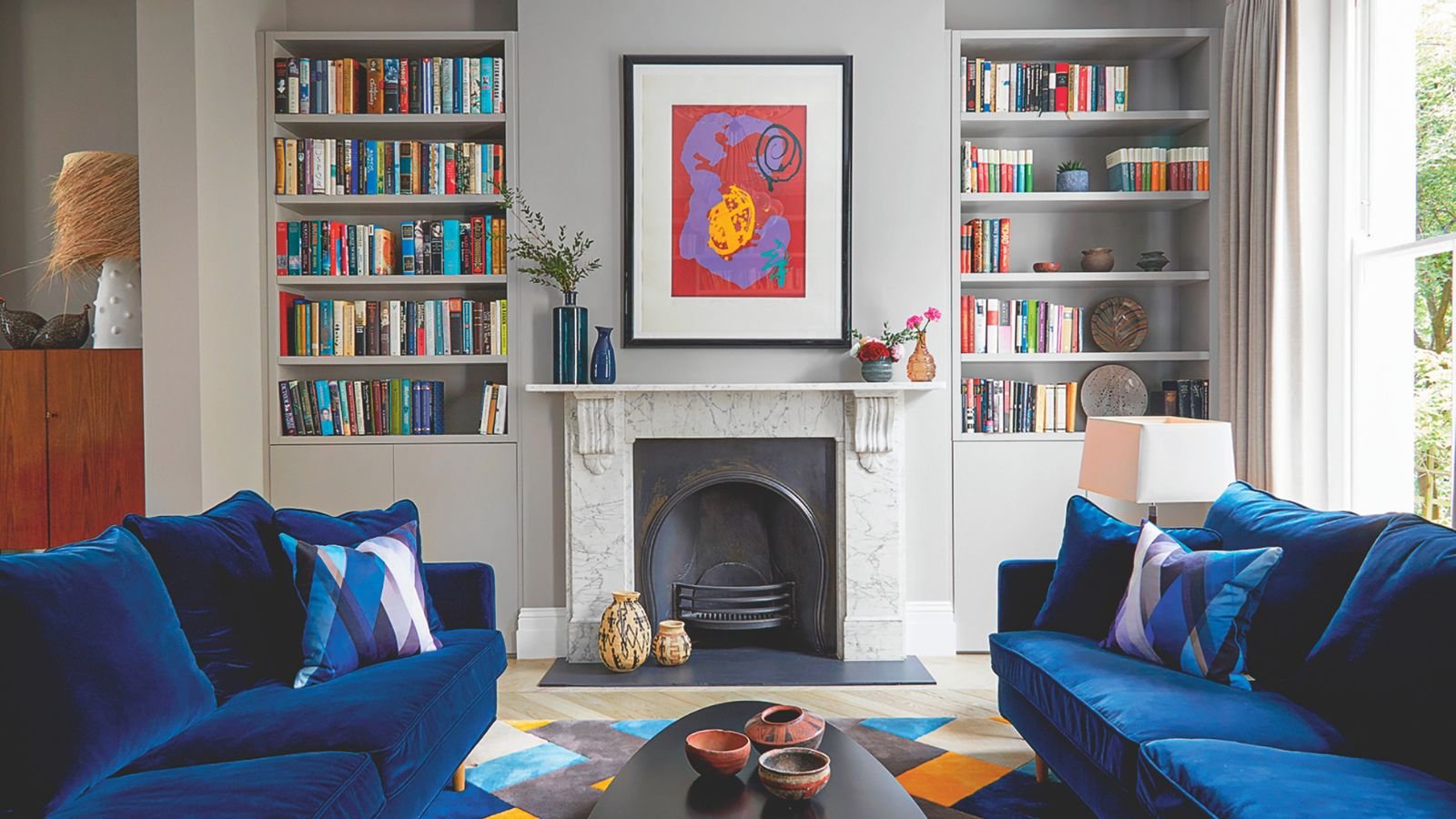
Comfort is one of the most important elements of a family-friendly home. Living rooms, bedrooms, and shared areas should support the activities people enjoy every day.
Start by arranging furniture to allow easy movement. Avoid overcrowding rooms with unnecessary items, and make sure frequently used furniture is comfortable and practical.
Soft cushions, suitable curtains, and warm lighting can make shared spaces feel more inviting. Choose materials that are easy to clean, especially if children or pets regularly use the room.
For additional inspiration, explore these practical home improvement ideas to discover ways to improve household spaces, refresh interiors, and make rooms more functional.
2. Keep Everyday Clutter Under Control
Clutter can make a home feel smaller and create unnecessary stress. When belongings do not have designated places, family members may spend too much time looking for keys, school supplies, clothing, and other everyday essentials.
Begin by identifying the areas where clutter collects most often. These might include kitchen counters, entryways, coffee tables, or children’s bedrooms.
Use baskets, shelves, drawer organizers, and storage containers to keep similar items together. Choose solutions that fit your available space rather than purchasing organizers you may not need.
A simple daily routine can also help. Spend ten minutes returning items to their proper places before the day ends. Over time, this habit can make maintaining an organized home easier.
3. Create a Family-Friendly Kitchen
The kitchen often serves as more than a place to prepare meals. It can become a gathering space where family members talk, help with cooking, and share their daily experiences.
Keep frequently used cooking equipment within convenient reach. Organize food supplies so that ingredients are easy to find, and regularly check cupboards for expired products.
If space allows, create a small area where children can complete suitable tasks, such as setting the table or helping prepare simple snacks under adult supervision.
Planning meals in advance can also reduce stress. A weekly meal plan helps families organize shopping, use ingredients efficiently, and make dinner preparation more predictable.
4. Make Children’s Spaces Easy to Maintain
Children need spaces where they can play, learn, and relax. However, toys, books, and school supplies can quickly make bedrooms and shared areas messy.
Use accessible storage boxes for toys and low shelves for books. Keep everyday belongings easy to reach so children can participate in cleaning up.
Consider separating toys into categories, such as building blocks, art supplies, and puzzles. This makes it easier to find specific items and return them after use.
Parents can also establish a simple cleanup routine before bedtime. Keep expectations realistic and make the process enjoyable by working together.
5. Add Personal Style Without Overspending
A welcoming home should reflect the interests and personalities of the people who live there. Personal decorations can make rooms feel more meaningful without requiring expensive purchases.
Display family photographs, handmade artwork, favorite books, or souvenirs from special occasions. Rearranging existing decorations can also give a room a fresh appearance.
Plants may add natural color to suitable spaces, provided the chosen varieties are appropriate for the household and can be maintained properly.
Before purchasing new decorations, consider whether items you already own can be reused in another room. Small changes in placement, lighting, or arrangement can sometimes achieve the desired result.
6. Make Time for Activities Everyone Enjoys
A comfortable home is also a place where families can connect. Shared activities create opportunities for conversation, laughter, and positive memories.
Try planning a weekly board-game night, preparing a meal together, reading stories, or watching a family-friendly movie. These activities can be enjoyable without placing pressure on the household budget.
For more inspiration, discover family fun and lifestyle activities that can help families find enjoyable ways to spend time together and make ordinary days feel special.
You can also allow family members to take turns choosing activities. This encourages participation and helps everyone feel included.
7. Improve Lighting and Ventilation
Good lighting can make rooms feel more comfortable and functional. Make the most of natural daylight by keeping windows clean and avoiding unnecessary obstructions.
Use task lighting in areas where family members read, study, cook, or work. Softer lighting may be more suitable for relaxing spaces in the evening.
Ventilation is also important. Open windows when outdoor conditions allow, and maintain ventilation systems according to the manufacturer’s instructions.
Regular cleaning and controlling indoor sources of dust can further support a more pleasant living environment.
8. Establish Simple Household Routines
Household routines help family members understand what needs to be done and when. Without a basic plan, chores can accumulate and become more difficult to manage.
Create a realistic schedule for laundry, cleaning, meal preparation, and other recurring tasks. Divide responsibilities according to age, ability, and availability.
For example, younger children may put away toys, while older children can help organize school supplies or set the table. Adults can coordinate tasks and make sure responsibilities are shared fairly.
Remember that routines should make life easier rather than add unnecessary pressure. Adjust the schedule when work, school, or family commitments change.
9. Make Safety Part of Home Design
A family-friendly home should be comfortable and safe. Keep walkways clear, secure heavy furniture where appropriate, and store medicines and cleaning products away from children.
Check that electrical equipment is used according to its instructions, and address damaged wiring, leaks, or other potentially dangerous problems promptly.
If a project involves electrical systems, gas connections, structural changes, or complex plumbing, consider hiring a qualified professional.
Safety improvements may not always be visually noticeable, but they are an essential part of maintaining a functional home.
10. Create a Relaxing Outdoor Corner
Even a small balcony, patio, or garden can become a useful place to relax. Start by cleaning the area and arranging existing furniture to make the space more comfortable.
Suitable container plants, weather-resistant cushions, or simple outdoor lighting can add personality. Make sure furniture is stable and that pathways remain clear.
Families can use outdoor areas for reading, casual meals, conversations, or quiet breaks after a busy day. Choose improvements that suit your local weather and the amount of maintenance you can manage.
11. Review Your Home’s Needs Regularly
Family needs change over time. Children grow, hobbies develop, and household routines evolve. A layout that worked well a year ago may no longer be the most practical option.
Review each room occasionally and identify what is working well and what needs improvement. You might need more storage, a better homework area, or a simpler way to organize frequently used belongings.
Make changes gradually and focus on the problems that affect daily life most. This approach can help you avoid unnecessary purchases and make better use of your existing space.
Conclusion
Creating a happy, organized, and family-friendly home does not require a complete renovation. Comfortable furniture, practical storage, good lighting, shared responsibilities, and meaningful family activities can all contribute to a better living environment.
Start with small improvements that address your household’s needs. By keeping your home functional, welcoming, and safe, you can make everyday routines easier and create more opportunities to enjoy time together.


 By





 By