
Key Highlights
- Why everyday routines should guide home design decisions
- How real habits differ from idealised floor plans
- Where flexibility makes the biggest difference in daily living
- Why homes designed around people tend to age better
Designing a home often starts with inspiration. Images, display homes, and trends can shape expectations quickly. But once the novelty fades, it’s daily life that determines whether a space truly works. Homes feel most comfortable when they reflect how people actually move, gather, rest, and adapt over time.
When design decisions are based on real behaviour rather than assumptions, spaces tend to feel easier to live in. Rooms flow better, storage feels intuitive, and layouts support routines instead of working against them. This approach shifts the focus from how a home looks on paper to how it functions day after day.
Why real life rarely matches ideal floor plans
Many home designs are built around an ideal version of daily life. Perfectly tidy kitchens, rarely used dining rooms, and formal spaces that look impressive but see little use are common examples. In reality, homes are lived in, not staged.
People gravitate toward certain areas more than others. Kitchens become gathering points. Hallways collect shoes and bags. Spare rooms take on multiple roles over time. When design ignores these patterns, frustration tends to follow.
Designing around actual habits means acknowledging these realities. It allows spaces to support how people live instead of expecting people to change how they use their home.
How daily routines shape functional spaces
Every household has routines that repeat quietly. Morning traffic through certain areas, evening downtime in shared spaces, and weekend activities that require flexibility all influence how a home feels.
When these routines are considered early, design decisions become clearer. Storage can be placed where it’s needed most. Workspaces can be positioned away from high-traffic zones. Living areas can be sized based on how they’re actually used rather than how they’re expected to look.
This level of consideration often leads to homes that feel calmer and more efficient, even if they aren’t larger than average.
The role of flexibility in modern home design
Life rarely stays the same for long. Families grow, work patterns change, and priorities shift. Homes that can adapt without major disruption tend to support these transitions more smoothly.
Flexible design doesn’t mean leaving everything open-ended. It means creating spaces that can change purpose over time. A room that works as a study today might become a bedroom later. Storage solutions that evolve help keep clutter from building as needs change.
This adaptability is increasingly important for homeowners design decisions, especially when space is limited or long-term plans are uncertain.
Making smaller spaces work harder
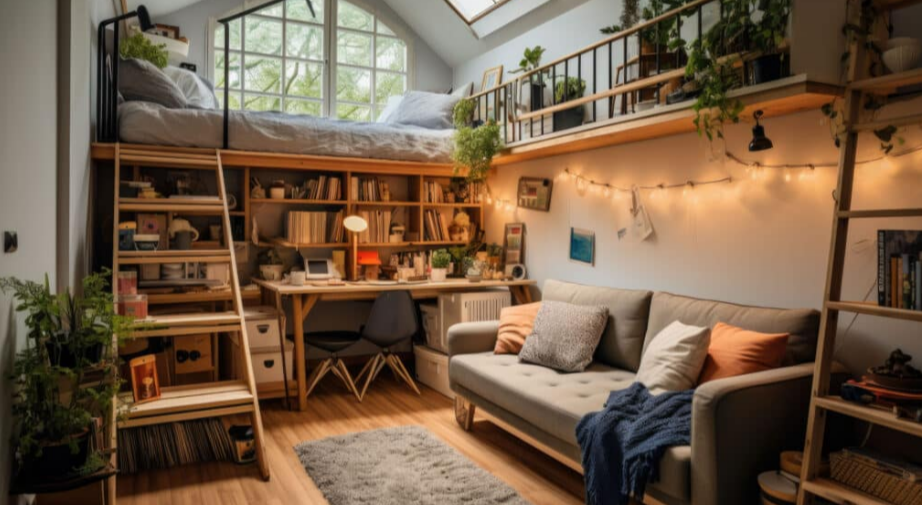
Smaller homes and compact layouts place even greater importance on thoughtful design. When space is limited, every area needs to earn its place. This often leads to more creative solutions and better outcomes overall.
Design choices such as vertical storage, multi-use rooms, and efficient circulation can make a smaller home feel generous. The key is understanding which activities happen most often and designing around those needs first.
Beechwood Homes regularly explores design approaches that help homeowners make better use of available space, showing how thoughtful planning can improve functionality without increasing footprint.
Letting lifestyle guide layout decisions
One of the most effective design tools is observation. Noticing how you move through your current home, where congestion happens, and which spaces feel underused can reveal a lot.
These observations help prioritise layout decisions. They clarify where openness matters and where separation is more valuable. They also highlight opportunities to simplify daily tasks through better design.
When lifestyle leads the design process, the result often feels intuitive rather than forced.
Why homes designed around people last longer
Trends change quickly, but daily habits tend to evolve more slowly. Homes designed around real behaviour often remain functional even as styles shift.
This longevity comes from relevance. Spaces that support how people live continue to feel useful, reducing the need for frequent renovations. Over time, this can make a home feel more settled and sustainable.
Designing a home around how you actually live is less about following rules and more about paying attention. When that attention guides decisions, homes tend to work better, feel more comfortable, and adapt more easily as life changes.

 By
By



 By
By