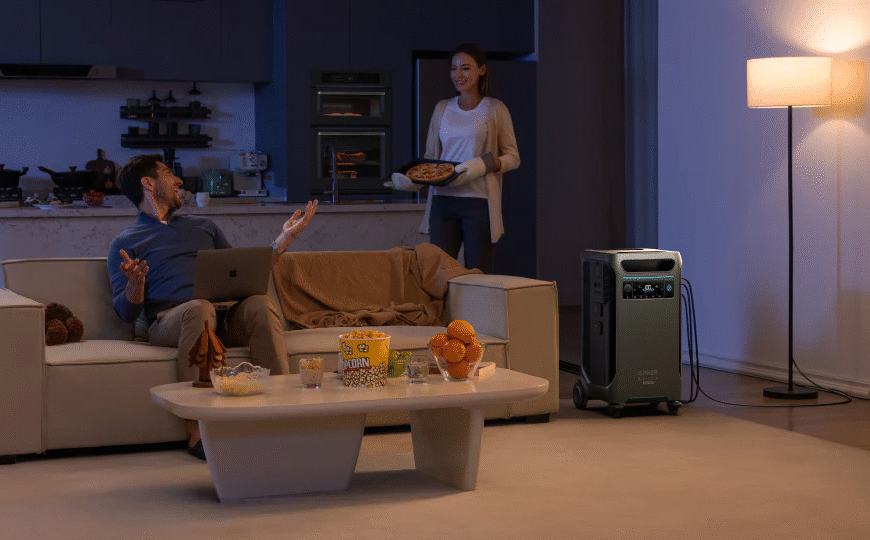

A power station reshapes the way people think about electricity, both during emergencies and in ordinary daily routines. Once a reliable backup source becomes part of the household, energy stops being an invisible utility and starts becoming something people actively plan for. Users pay closer attention to peak consumption, appliance priorities, and the rhythm of charging and discharging. This shift does not happen overnight, but it develops naturally as backup power becomes more integrated into routines. A model such as the Anker SOLIX F3800 Plus Portable Power Station demonstrates how greater flexibility, multiple recharge paths, and long-lasting capacity encourage more intentional approaches to managing electricity at home or during travel.
How Backup Power Influences Everyday Energy Behavior?
Awareness Rises When Power Flow Becomes Visible
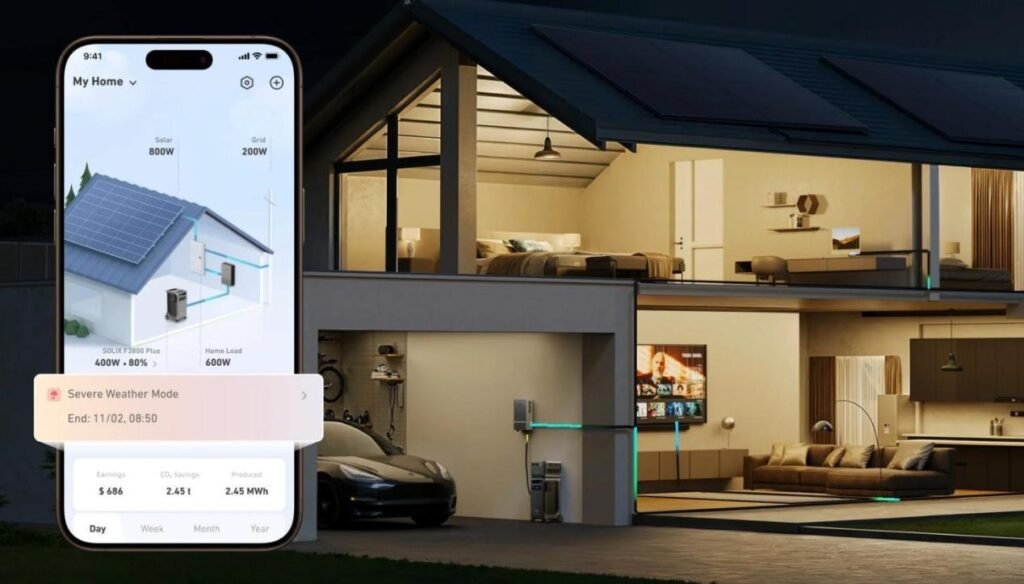
Power usually functions in the background, but a dedicated power station changes that relationship. Once consumers can monitor charging levels, runtime estimates, and energy distribution, they become more conscious of how each device draws power. Real-time insight encourages users to reconsider habits that once felt passive, such as running multiple large appliances simultaneously or leaving devices charging overnight. The F3800 Plus provides app-based monitoring, allowing users to check power levels and charging status remotely. This visibility turns energy into a measurable resource, helping users develop smarter consumption routines, especially when preparing for potential outages or optimizing daily usage.
Users Develop New Charging Routines to Maximize Availability
A power station introduces new planning patterns, particularly around recharging cycles. Instead of relying solely on grid power availability, users plan ahead by identifying ideal times to replenish capacity. Some choose to take advantage of strong sunlight hours, especially when using a model that offers up to 3,200W solar input. Others prefer high-speed 240V bypass charging for rapid recovery. Over time, these routines become part of daily life. For households that experience unpredictable weather or periodic outages, features like automatic storm-related charging make preparation easier. The F3800 Plus initiates pre-storm charging when notified of incoming severe conditions, turning readiness into a seamless, almost automatic habit.
Prioritization of Essential Devices Becomes an Everyday Skill
A power station prompts users to reflect on what power actually matters most. When people understand runtime limits and backup capacity, they begin prioritizing essential items such as refrigerators, communication devices, lighting, or medical equipment. This prioritization remains helpful even outside emergencies. For example, users might schedule laundry outside peak hours, run fewer high-wattage devices simultaneously, or rely more on the station for outdoor activities and mobile work. Having access to 120V and 240V output from a system like the F3800 Plus gives households more flexibility when planning these priorities, allowing larger appliances to run smoothly without disrupting other tasks.
How Power Stations Shift Long-Term Energy Planning?
Backup Becomes an Integrated Part of Household Preparation
Long-term readiness changes when users experience reliable backup power. Instead of reacting to outages, people start planning for them. They maintain charge levels, keep solar panels accessible, and make strategic decisions about expansion. The scalable design of the F3800 Plus—which can support growth up to 53.8kWh—encourages a long-term mindset. Users who initially purchase the station for short-term outages may later expand for extended blackout protection or whole-home use. This growing reliance encourages continuous evaluation of energy needs and inspires more organized approaches to household preparedness.
See also: Employee Engagement Technology Explained
Energy Independence Gains More Practical Appeal
A power station helps bridge the gap between theoretical energy independence and actual day-to-day practice. Users learn how different recharging methods fit their lifestyle, from gas generator support to solar-only setups. Solar adoption often increases because users see direct benefits from reducing reliance on the grid. The ability to recharge in under two hours under optimal sunlight conditions supports this shift. Gradually, the household becomes more self-sufficient, using renewable energy to offset costs and enhance reliability. Over time, these practices lead to long-term adjustments in how the home operates and how users budget for electricity.
Travel and Outdoor Activities Become Easier to Plan
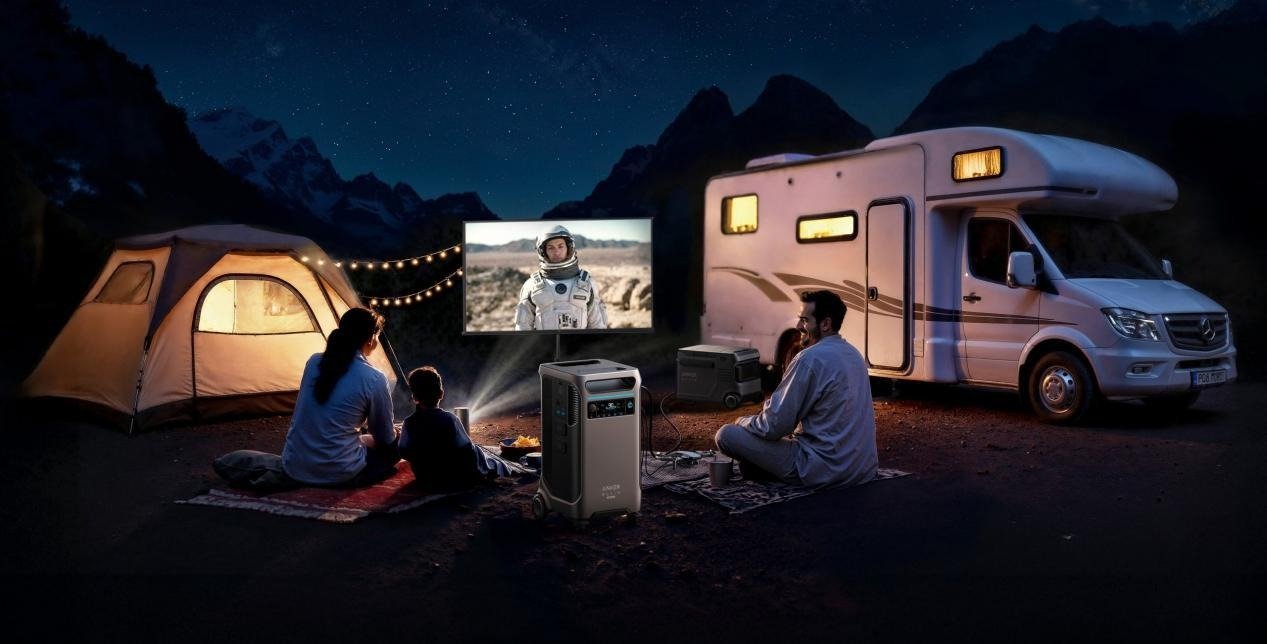
Portability affects planning beyond the household. People who bring their power station on road trips, RV adventures, or remote work outings learn to consider charging stops, expected energy demand, and equipment load. They may place greater emphasis on solar panel configurations or plan for generator use when traveling to areas with limited power access. The F3800 Plus supports RV charging directly, making it easier to manage mobile lifestyles without complicated adapters or extra gear. These habits eventually shape a broader mindset around self-contained power planning and energy resilience.
Conclusion
A power station transforms energy use from a passive routine into an active form of planning. Users become more aware of consumption, develop smarter charging habits, and refine their priorities around essential appliances. Long-term thinking also evolves as households integrate backup readiness, renewable energy options, and scalable storage into their daily lives. Travel and outdoor routines similarly benefit from improved energy independence and flexibility. The Anker SOLIX F3800 Plus portable power stations demonstrate how versatile charging, strong capacity, and smart monitoring tools can support more proactive decision-making. By reshaping how people understand and interact with electricity, a power station becomes not just a backup device but a catalyst for more deliberate and efficient energy habits.


 By
By

 By
By