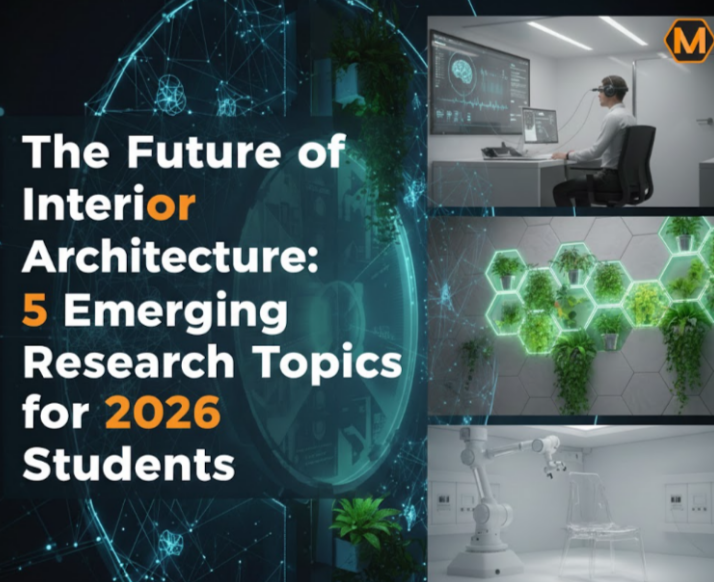

The landscape of interior architecture is undergoing a radical transformation. We have moved far beyond the era where interior design was seen merely as a decorative layer applied to a structural shell. In 2026, the industry has shifted toward a sophisticated intersection of biotechnology, digital twins, and human psychology. For students entering their final years of study, the challenge is no longer just about creating a space that looks “modern,” but rather about designing environments that function as biological and digital extensions of the human experience.
Navigating these complex, interdisciplinary topics requires a high level of academic rigor and time management. Many students find themselves overwhelmed when trying to synthesize data from fields like neuroscience and environmental engineering into a cohesive thesis. If you are struggling to balance your studio time with the heavy demands of academic writing, collaborating with a professional assignment helper from a reliable platform like myassignmenthelp can give you the edge you need to produce high-quality, research-backed papers while you focus on your creative design work.
The Shift Toward Evidence-Based Design
The core of modern architectural research is “Evidence-Based Design” (EBD). This isn’t a new concept, but in 2026, the tools we use to gather that evidence have reached a new peak. Students are no longer guessing how a color makes someone feel; they are using biometric sensors to prove it. This shift from subjective “vibes” to objective data is the foundation of the five emerging research topics we will explore today.
1. Neuro-Responsive Environments and Spatial Cognition
The most significant research frontier in 2026 is Neuro-architecture. This field investigates how the physical geometry of a room directly influences brain chemistry and neural pathways. For decades, we suspected that high ceilings sparked creativity and narrow hallways caused anxiety, but now we have the neurological mapping to prove it.
Students researching this topic are diving into how “neuro-responsive” interiors can be designed for specific demographics, such as children with ADHD or elderly patients with dementia. The research focuses on how sensory inputs—such as the “fluency” of a room’s layout—can reduce cognitive load. By designing spaces that minimize the brain’s effort to process the environment, architects can create offices that boost productivity by 20% or hospitals that speed up physical recovery times.
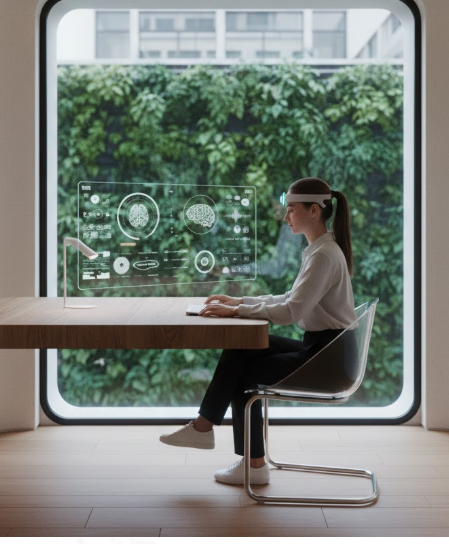
This research is particularly vital in 2026 as the global workforce faces a mental health crisis. Students are looking at how “soft” boundaries and curved architectural elements can lower cortisol levels, creating a sanctuary in an increasingly chaotic world.
2. The Circular Material Economy and Bio-Fabrication
Sustainability is no longer a buzzword; it is a legal and ethical requirement in 2026. The research has moved from “low-carbon” materials to “carbon-negative” materials. Students are currently exploring the world of bio-fabrication, where interior components are grown rather than manufactured.
Imagine a thesis centered on “Mycelium-based Acoustic Panels” or “Bio-cement partitions.” These materials are grown from fungal spores or bacterial cultures and can be returned to the earth at the end of their lifecycle. The research here involves studying the lifecycle of these materials—how they age, how they affect indoor air quality, and how they can be scaled for commercial use. This topic is perfect for students who have a passion for chemistry and environmental science alongside their architectural studies. It challenges the “take-make-waste” model of traditional construction and proposes an interior world that is as biodegradable as a fallen leaf.
3. AI-Driven Algorithmic Ergonomics
The one-size-fits-all approach to furniture and spatial planning is officially dead. In 2026, research into “Algorithmic Ergonomics” is taking center stage. This involves using artificial intelligence to analyze thousands of data points regarding human movement, posture, and body types to generate custom spatial layouts.
For students, this is a rich field for exploration because it touches on the ethics of data collection and the future of customized living. When preparing your findings for a seminar, you might explore 5 minute informative speech topics for college to learn how to distill this complex marriage of AI and human biology into a clear, persuasive argument for your peers and professors.
Under this research topic, students are looking at how smart furniture can adjust its height, firmness, and orientation based on the user’s real-time biometric feedback. It’s about creating an “active” room that cares for your spine and your circulation as you work, rather than a “passive” room that forces you to adapt to it.
4. Biophilic Urbanism: Designing for the Inner Ecosystem
While biophilia (the love of nature) has been a trend for years, 2026 research is pushing into “Biophilic Urbanism.” This goes beyond adding a few potted plants to a lobby. It involves the integration of complex living systems into the interior skin of buildings.
Students are researching “Living Walls” that act as localized water filtration systems and “fractal-based lighting” that mimics the dappled sunlight of a forest floor. The research goal here is to determine how these systems impact the human microbiome. We are learning that sterile, “plastic” environments might actually be harming our immune systems. By bringing the “messiness” of nature—soil, water, and varied bacteria—into the interior in a controlled way, students are finding paths to create healthier, more resilient urban populations.
This topic also explores the psychological “restorative” effect of nature. Research papers are currently being written on how views of digital nature (high-definition screens) compare to real nature in windowless interior spaces, such as underground transit hubs or deep-plan office buildings.
5. Multi-Sensory “Experiential” Retail and Hospitality
As the digital world (the Metaverse and AR) becomes more immersive, physical spaces must offer something that a headset cannot. This has birthed a massive research trend in “Multi-Sensory Atmospheric Engineering.”
Students in this niche are studying how scent, sound, and touch can be choreographed to create an emotional “anchor” to a physical location. Research topics include “The Impact of Directional Audio on Consumer Dwell Time” or “Tactile Haptics in Luxury Retail Surfaces.” This is where interior architecture meets marketing and behavioral psychology.
In 2026, a retail store is no longer just a place to buy goods; it’s a “brand temple.” Students are researching how to use light temperature and scent-diffusion to trigger memory and nostalgia, creating a deep emotional bond between the user and the space. This research is crucial for the survival of brick-and-mortar businesses in a digital-first economy.
The Importance of High-Quality Academic Presentation
Selecting one of these cutting-edge topics is only the first step. To rank well in your university or to have your blog post trend on sites like myinteriorpalace.net, you must present your research with clarity and authority. The 2026 academic standards require a blend of data visualization, case study analysis, and a clear narrative arc.
When you write about the “Future of Interior Architecture,” you aren’t just predicting the future; you are helping to build it. Every thesis, every research paper, and every guest post contributes to the collective knowledge of how we will live tomorrow.
Why Students Must Embrace Technology and Support
The complexity of these five topics proves that interior architecture is becoming a “hard science.” Students are now expected to be part-time psychologists, part-time biologists, and part-time coders. Because the bar has been raised so high, the pressure to perform is immense.
Using academic resources—whether that is a university library or an expert assignment helper—is a sign of a smart researcher. In the professional world of 2026, architects do not work in silos; they work in teams. Learning how to delegate the technical writing or the data organization to specialists like myassignmenthelp allows the student to focus on the “big picture” design concepts that will eventually win awards and change lives.
Conclusion: Designing a Better 2026
The future of interior architecture is bright, but it is also demanding. Whether you are focusing on the neurological impact of a room or the bio-fabrication of a chair, your research is vital. By staying ahead of these five emerging trends, students can ensure their work remains relevant in a fast-paced, tech-driven world.
As you move forward with your studies, remember that the most successful designs are those that prioritize the human spirit. Technology and materials are just tools; the ultimate goal is to create a world where every interior space feels like home, even if that home is a neuro-responsive, bio-fabricated, AI-managed marvel.
Frequently Asked Questions
What are the most in-demand interior architecture research topics for 2026?
The industry is currently prioritizing neuro-responsive design, bio-fabricated materials, and the integration of AI in ergonomic planning to create healthier, more efficient living spaces.
How does neuro-architecture improve interior design?
It uses neurological data to understand how spatial elements like lighting, ceiling height, and room shape affect brain activity, allowing designers to create environments that actively reduce stress and boost focus.
Why is bio-fabrication becoming important in construction?
Bio-fabrication involves growing building materials from organic matter like fungi or bacteria. This shift is essential for achieving carbon-negative goals and creating a fully circular economy within the design industry.
What role does sensory engineering play in physical retail?
As digital shopping dominates, physical stores use sensory engineering—combining sound, scent, and texture—to offer immersive experiences that build emotional connections and brand loyalty that online platforms cannot replicate.
About The Author:
Alice Anderson is a professional academic writer and educational consultant at MyAssignmentHelp with over a decade of experience. Specializing in complex disciplines like engineering and literature, they focus on delivering high-quality, human-written research and structural guidance to help students navigate demanding academic requirements.


 By
By



 By
By