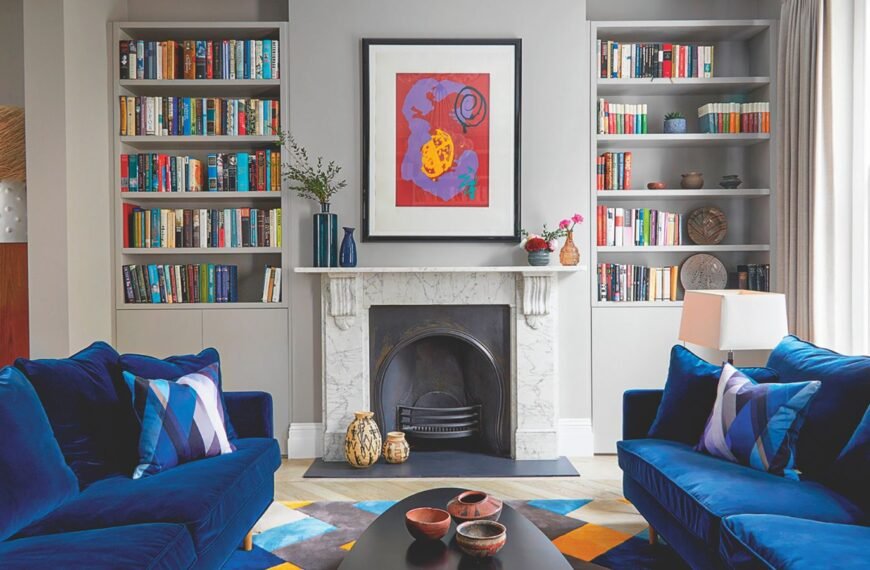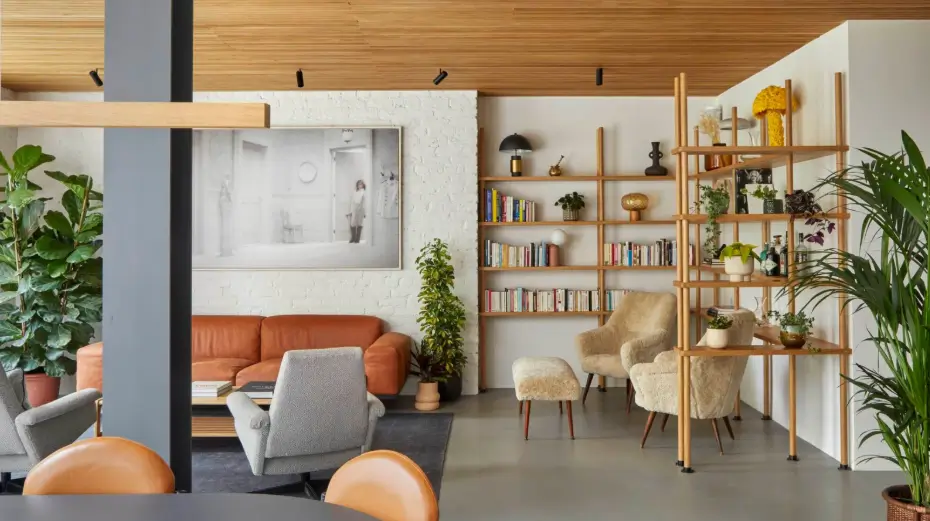

When a room feels cramped, flooring isn’t always the first thing you blame. You might start moving furniture, clearing clutter or considering a lighter wall colour. Yet the floor takes up a significant amount of visual space, meaning the wrong choice can quietly make a compact room feel even more enclosed.
The answer isn’t necessarily to choose the palest floor you can find. Materials such as Terracotta Tiles and Flooring can add warmth and character to a smaller space when they’re used thoughtfully. What matters most is how the flooring works with the room’s proportions, furniture, light and overall layout.
If you’re trying to make a small room feel more open, these five practical fixes are worth considering before you commit to a flooring choice.
1. Swap Overly Busy Patterns for Simpler Designs
Pattern can add personality, but too much visual activity can make a small room feel cluttered. When every section of the floor catches your attention, the space can appear broken up rather than open.
Try this instead:
Choose a floor with a subtle pattern or consistent texture. If you love decorative tiles, consider using them in a smaller area, such as an entryway or feature section, rather than across the entire room.
A simple floor doesn’t have to be boring. Natural variations in colour and texture can provide plenty of character without overwhelming the space.
2. Create More Continuity Between Areas
One of the quickest ways to make a compact home feel fragmented is to introduce a different floor in every adjoining area. The frequent changes create visual stopping points, making each section feel smaller.
Try this instead:
Where practical, continue the same flooring through connected spaces. A consistent surface from a hallway into a living area, for example, can help the eye move naturally from one space to the next.
If different flooring is necessary, choose complementary materials and colours rather than completely contrasting finishes.
3. Reduce the Number of Grout Lines
Small tiles can be charming, but covering an entire compact room with them can create a grid-like appearance. All those grout lines add visual interruptions and can make the floor look particularly busy.
Try this instead:
Consider larger-format tiles or longer flooring boards, particularly if your room has a simple layout. Fewer joins can give the floor a cleaner appearance and allow more of the material itself to stand out.
If smaller tiles are part of your design, use them deliberately rather than automatically covering every available surface.
4. Lay Flooring to Emphasise the Room’s Shape
Flooring isn’t just about colour and material. The direction in which it is laid can influence how the proportions of a room are perceived.
Try this instead:
Look at the longest dimension of the room and consider whether the flooring can follow that direction. Long boards or rectangular tiles can naturally lead the eye across the space, helping emphasise its length.
Before installation, lay a few samples or boards on the floor and view them from the doorway. This simple test can reveal whether the planned direction makes the room feel more balanced.
5. Coordinate the Floor With Your Furniture
A beautiful floor can still make a small room feel crowded if it competes with everything sitting above it. Dark furniture, large rugs and bold flooring can quickly create a visually heavy combination.
Try this instead:
Think about the room as one composition. If your furniture has strong colours or substantial shapes, keep the flooring relatively calm. If the furniture is understated, you have more freedom to introduce texture or character underfoot.
Also consider how much floor will actually remain visible. There’s little value in choosing a highly decorative surface if most of it will disappear beneath furniture and rugs.
See also: Decorate a Stylish Home on a Budget
Give Your Floor Some Breathing Room
Making a small room feel larger isn’t about following a single decorating rule. It’s about reducing unnecessary visual interruptions and allowing the eye to move naturally around the space.
Before choosing flooring, bring samples home, view them in natural and artificial light, and consider them alongside your existing furniture. A few minutes of planning can prevent an expensive choice from making the room feel smaller than it really is.
The right floor won’t magically add square metres, but it can make the space you already have feel noticeably calmer, more cohesive and easier to live in.


 By





 By