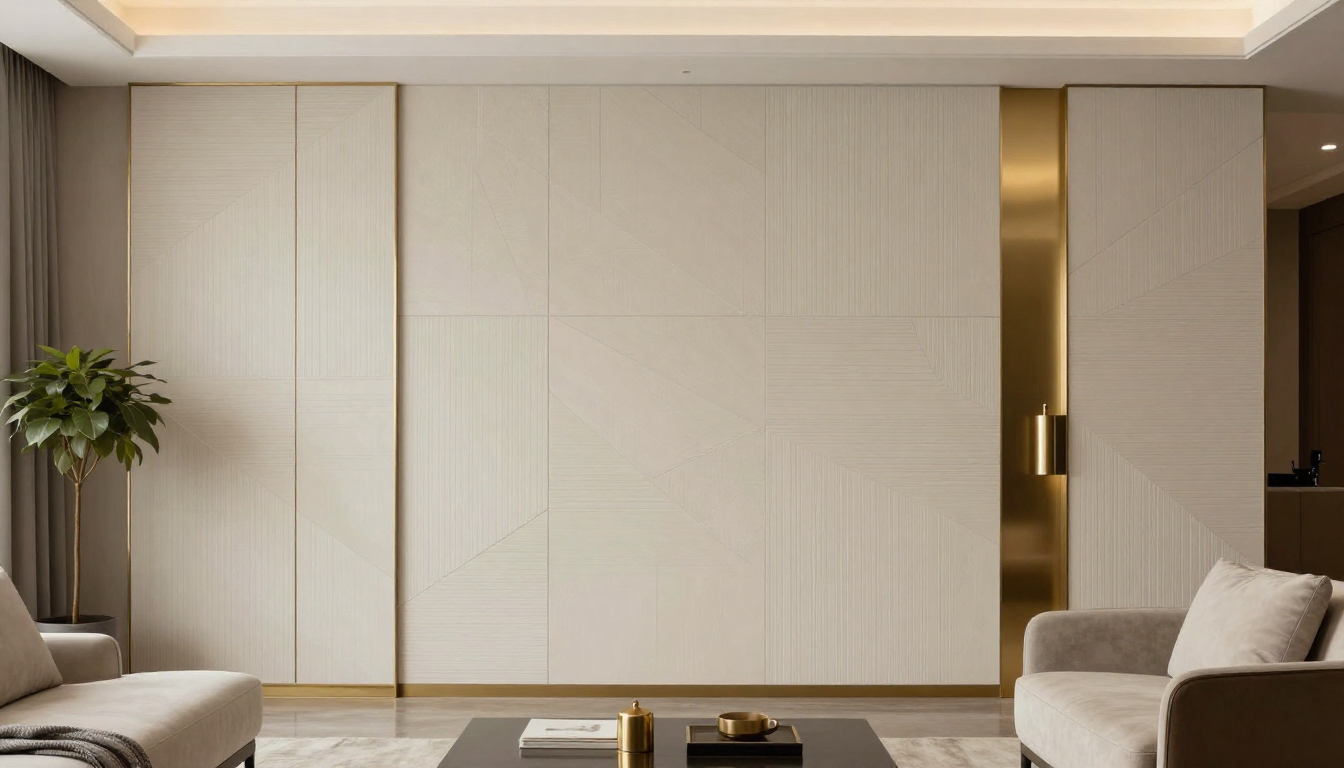

A well-designed feature wall has the power to redefine an entire room. It introduces depth, anchors focal points, and creates visual hierarchy without requiring a full-scale renovation. In contemporary interiors, feature walls are no longer limited to bold paint colors—they integrate material contrast, texture layering, and architectural detail.
From sustainable tile installations to heritage-inspired surfaces, the right feature wall can elevate living rooms, bedrooms, kitchens, and even hallways. Below are design-forward ideas that instantly upgrade interiors while maintaining timeless appeal.
1. Sustainable Statement Walls with Recycled Glass Tile
Sustainability has become a defining principle in modern interior design. Feature walls crafted from recycled tile merge environmental responsibility with aesthetic sophistication.
Designers often use reclaimed ceramics, repurposed glass mosaics, or eco-conscious porcelain blends to create subtle tonal variation. The irregularities inherent in recycled materials add organic texture, giving walls a layered and lived-in feel without compromising refinement.
In high-visibility areas such as living room accent walls or dining backdrops, recycled tile introduces character through:
- Soft color shifts
- Textural depth
- Matte and semi-gloss interplay
- Artisanal visual rhythm
For projects prioritizing both sustainability and design integrity, professionals frequently source glass materials through curated collections where they can shop recycled glass tiles from mineral tile. Access to responsibly manufactured options and get a sample to ensure the feature wall becomes both a right design statement and a strategic material choice aligned with long-term environmental goals.
When paired with neutral furnishings and minimalist décor, recycled tile feature walls provide warmth and architectural nuance without overwhelming the space.
2. Vintage-Inspired Tile for Character and Depth
While modern interiors often lean toward minimalism, there is a growing appreciation for heritage elements that introduce storytelling into contemporary homes.
2.1 Patterned Ceramic and Encaustic Motifs
Intricate motifs, faded glazes, and aged finishes bring depth to otherwise streamlined rooms. Designers frequently use patterned ceramic or encaustic-style surfaces to create:
- Entryway focal points
- Fireplace surrounds
- Kitchen features backsplashes
- Bedroom headboard walls
These applications infuse personality while maintaining a curated aesthetic.
2.2 Layering Old-World Charm with Modern Tiles
Blending vintage-inspired materials with clean-lined furniture creates a balanced contrast. For example, textured or distressed surfaces categorized under the Vintage tile collection often include muted florals, geometric heritage prints, and weathered finishes that integrate seamlessly into modern layouts.
When used thoughtfully, these tiles soften stark architectural lines and introduce warmth without compromising sophistication. The result is an interior that feels collected rather than constructed.
See also: Employee Engagement Technology Explained
3. Full-Height Tile Accent Walls in Living Areas
Extending tile from floor to ceiling transforms a simple accent into an architectural centerpiece. Large-format porcelain slabs, stone-look panels, and textured ceramics amplify vertical space and create dramatic impact.
3.1 Fireplace Feature Walls
Fireplace surrounds are among the most effective areas for statement installations. Designers frequently opt for:
- Bookmatched marble-look porcelain
- Fluted or ribbed ceramic panel
- Neutral stone-inspired slabs
These materials draw the eye upward and reinforce the fireplace as a natural focal point.
3.2 TV Backdrop Walls
Rather than mounting televisions on plain drywall, many designers integrate textured tile backdrops. Matte finishes minimize glare while adding depth, ensuring technology blends harmoniously into the design.
The key to success lies in scale—oversized tiles reduce grout lines, creating a seamless and elevated appearance.
4. Textured 3D Walls for Dimensional Impact
Three-dimensional tiles introduce movement through shadow play. As lighting shifts throughout the day, the surface transforms visually, adding subtle dynamism.
4.1 Fluted and Ribbed Panels
Vertical fluting elongates walls and enhances ceiling height perception. These designs work particularly well in:
- Hallways
- Powder rooms
- Office accent walls
The tactile element elevates minimalist interiors without introducing bold color.
4.2 Geometric Relief Patterns
Hexagonal, diamond, and sculpted forms create a contemporary art-like installation. When finished in soft neutrals, these patterns maintain versatility while still delivering statement value.
Strategic lighting—such as wall sconces or directional spotlights—maximizes shadow contrast and visual drama.
5. Editorial-Worthy Feature Walls Seen in Design Showcases
Feature walls frequently appear in high-end design publications and curated interiors, highlighting how material selection defines aesthetic impact. Projects featured as the no 1 online tiles store feature on Dream Homes Decor illustrate how tile-based accent walls contribute to luxury appeal through texture balance, tonal layering, and craftsmanship detail.
These showcases often reveal a common principle: restraint enhances impact. Rather than covering every wall, designers select one strategic plane to amplify. This measured approach prevents visual fatigue while reinforcing architectural structure.
Drawing inspiration from professionally curated interiors helps homeowners and designers replicate a similar balance—prioritizing cohesion over excess.
6. Bedroom Feature Walls That Replace Traditional Headboards
In contemporary bedrooms, tile feature walls increasingly replace upholstered headboards. This approach introduces permanence and architectural depth.
Popular strategies include:
- Large-format neutral slabs behind the bed
- Subtle geometric mosaics in warm tones
- Textured matte ceramics that complement soft linens
The result is a layered aesthetic combining durability with comfort. Lighting integration—such as concealed LED strips or wall-mounted sconces—enhances the texture without overpowering the space.
Conclusion
Feature walls remain one of the most effective ways to upgrade interiors instantly. Whether through sustainable recycled materials, heritage-inspired patterns, full-height installations, or sculptural textures, tile provides unmatched versatility.
The most impactful designs balance material quality with strategic placement. By selecting textures, finishes, and patterns that align with the room’s function and architectural flow, feature walls transform from decorative elements into defining design statements.

 By
By




 By
By