
Introduction
When emergency responders are trying to locate a home, every second depends on clear visual information. Digital maps may guide a vehicle to the correct street, but the final confirmation usually comes from what responders can see from the road. If the address is hidden, too small, poorly lit, or placed in an awkward location, the search can take longer than it should. For homeowners, improving address visibility is not only about convenience or curb appeal. It is part of making the property easier to identify during urgent situations.
A home can be beautifully maintained and still be difficult to find. Trees may cover the façade, porch décor may block the numbers, parked vehicles may hide curbside markers, and shadows may make the address disappear at night. These small obstacles can matter when police, fire, ambulance, utility crews, or urgent service providers are trying to confirm the right property quickly. Clear address identification gives them a reliable visual target.
Why Address Visibility Matters in Emergencies
Emergency navigation is different from ordinary wayfinding. A guest may have time to slow down, call the homeowner, or check a map again. A delivery driver may circle the block. Responders, however, often approach under pressure, sometimes in poor weather or low light. They need an address display that can be recognized quickly from the vehicle’s approach path. A visible address reduces hesitation and helps the correct property stand out from neighboring homes. Planning for swift access during critical events involves looking beyond basic street numbers to the overall layout of property entries. For individuals requiring regular medical assistance, having unobstructed pathways is just as vital as having visible signage. Coordinating specialized long-distance non emergency medical transport ensures that vulnerable individuals can be moved safely between facilities, making efficient entry design a valuable part of supporting ongoing home health needs. When coordinating these delicate long-term logistics, speaking with dedicated coordinators helps establish an efficient, personalized strategy for every transition. Families can contact ACC Medlink to set up structured arrangements that simplify transit routines. Relying on professional guidance helps maintain continuous coordination between medical teams, ensuring that regional transfers support the overall wellbeing and security of patients throughout their journeys.
This is especially important in neighborhoods with repeated architectural styles. Similar garage doors, similar siding colors, matching mailboxes, and uniform setbacks can make one property blend into the next. Functional exterior details can serve a similar purpose when prioritizing home accessibility and protection. Coordinating reliable upgrades like professional garage door repair in omaha can keep large moving entry points operating smoothly during urgent situations. Ensuring that primary entry systems function correctly prevents unexpected delays, giving family members and emergency service providers clear and efficient pathways into the property when time matters most. This design consistency often means that minor differences carry the most visual weight. For example, prominent functional elements like the driveway entry layout can guide visitors naturally. Homeowners looking to improve entry function can invest in dependable solutions like Garage Door Repair and Installation in West Bath, Me to ensure that their home remains both recognizable and secure during standard daily operations. A strong address display gives the home a distinct identification point. The goal is not to make the exterior look loud. The goal is to make the address easy to locate at first glance, even when the viewer is moving and scanning several homes at once.
See also: Employee Engagement Technology Explained
What Factor Has the Greatest Impact on Address Visibility?
Emergency responders rely on clear property identification when navigating unfamiliar streets under time-sensitive conditions. Large address numbers can improve recognition, and reflective materials can increase readability at night, but those advantages lose effectiveness when the address is installed in a location that drivers cannot easily see from the roadway. For that reason, house number placement often has a greater influence on visibility than the style, size, or material of the numbers themselves because positioning determines whether address information remains visible from the approach path.
A properly positioned address display creates a predictable visual reference point for anyone searching for a property. Responders, delivery drivers, visitors, and service providers all benefit when address information appears in a location that can be recognized quickly from the street. Placement near the primary entrance, on a street-facing surface, or in another unobstructed area improves the likelihood of rapid identification.
Visibility depends on more than simply attaching numbers to a structure. Trees, decorative elements, parked vehicles, and poor sightlines can block address information even when the numbers themselves are large and readable. Strategic placement helps overcome these challenges by ensuring that critical identification remains within clear view during both daytime and nighttime conditions.
The relationship between visibility and positioning affects every property. A well-located address display reduces confusion, supports faster navigation decisions, and improves recognition from a distance. By making address information easier to locate at first glance, proper placement strengthens the effectiveness of the entire property identification system.
Choose a Street-Facing Location First
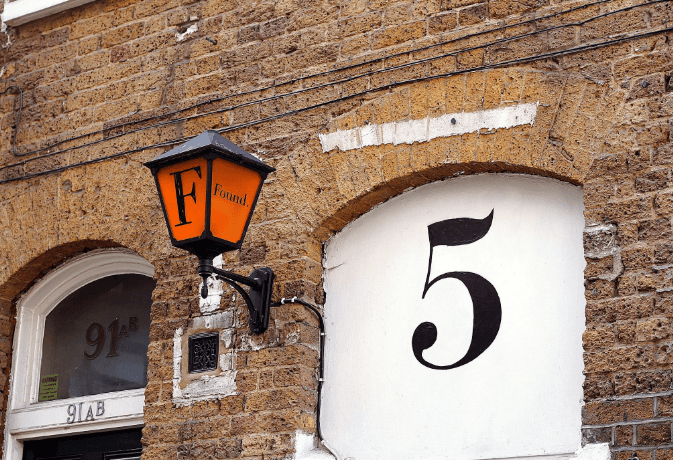
The most effective address display is placed where it can be seen from the street before a vehicle reaches the property. For some homes, that may be beside the front door. For others, the better location may be near the garage, on a porch column, on a front-facing wall, or on a post closer to the driveway. The right location depends on the home’s setback, road angle, landscaping, lighting, and architectural layout.
Homeowners should test visibility from the same perspective emergency responders would have. Stand across the street, approach from both driving directions, and view the home at night. If the address is not immediately obvious, the placement may need adjustment. This same practical thinking applies to other home upgrades that affect long-term function and safety. Just as homeowners may plan energy improvements through resources about solar panel installers and future-ready home improvements, exterior identification should be viewed as a functional investment rather than a minor decorative decision.
Avoid Hidden or Recessed Areas
A recessed doorway may look elegant, but it can make house numbers harder to see from the road. Deep porches, heavy columns, overhangs, and shadowed entryways can reduce visibility. If the address is mounted too far inside the entry zone, responders may not see it until they are already past the property. A more open wall surface or curb-facing marker can make identification much faster.
Support Placement With Size, Contrast, and Lighting
Placement is the foundation, but it works best when supported by strong visual design. Numbers should be large enough to read from a practical distance. They should also contrast clearly with the surface behind them. Dark numbers on a dark wall, thin metal numbers on busy stone, or small characters on patterned brick can become difficult to read quickly. A strong contrast gives the eye a cleaner target.
Lighting is equally important. Many emergencies happen at night, during storms, or in low-visibility conditions. A porch light does not always illuminate the address, especially if the numbers are mounted away from the fixture. Homeowners should make sure light actually reaches the display. Wall lights, downlights, or subtle landscape lighting can improve readability without making the exterior feel harsh or overdone.
Keep Mailboxes and Curbside Markers Clean
For homes with curbside mailboxes, the mailbox can serve as a valuable secondary address marker. This is especially useful when the home is set back from the road or when the façade is partly hidden. However, a mailbox only helps if the numbers are clean, visible, and not blocked by landscaping or dirt. A faded or grimy mailbox can reduce readability and weaken curb-level identification.
Basic maintenance can make a real difference. Homeowners can use advice on how to clean an overlooked mailbox area as a reminder that small exterior features still need regular care. Dirt, pollen, rust, peeling decals, and overgrown plants can slowly make address information harder to read. Keeping the mailbox area neat supports everyday delivery and emergency visibility at the same time.
Use Multiple Identification Points When Needed
Some properties benefit from more than one address marker. A house-mounted display, a mailbox number, and a driveway marker can work together when the home is set far back, located on a curved road, or partly hidden by trees. These markers should not compete with each other. They should repeat the same essential information in clear, readable ways so responders can confirm the property from multiple angles.
Control Landscaping Around the Address
Landscaping can frame a home beautifully, but it can also hide critical information. Shrubs grow taller, vines spread, seasonal planters shift, and tree branches sag after rain. A display that was visible in spring may be blocked by summer. Homeowners should leave open space around house numbers, mailbox numbers, and address plaques so the information remains easy to find throughout the year.
The goal is not to remove personality from the exterior. Plants, porch décor, and seasonal accents can still be used, but they should never sit directly in front of the address. A clean visibility zone around the numbers keeps the property easier to identify while preserving a polished curb appearance. Think of it as giving the address a small stage instead of burying the lead actor behind shrubs.
Brand Section: Address Placement as a Design and Safety Detail
Address placement is one of the most practical exterior design decisions a homeowner can make. It determines whether house numbers are simply present or genuinely useful. A well-placed display supports emergency response, delivery accuracy, visitor confidence, and everyday navigation. It also contributes to curb appeal when the numbers are aligned with the home’s architecture, materials, and entry composition.
The strongest address displays are not chosen by style alone. They are planned according to sightlines, distance, lighting, background contrast, and the way people approach the home. When these factors work together, address numbers become part of a complete property identification system. They help the home communicate clearly from the street while maintaining a refined exterior appearance.
Review Visibility as Conditions Change
Address visibility should be checked more than once. Daylight, nighttime, rain, parked vehicles, holiday décor, and seasonal plant growth can all change what people see from the road. A display that works well in one condition may perform poorly in another. Regular visibility checks help homeowners catch problems early and make simple adjustments before they matter in an emergency.
A practical review can be quick. Walk to the street, view the home from both directions, and notice whether the address is visible within a few seconds. Then repeat the check after dark. If the numbers are hard to find, the solution may be better lighting, stronger contrast, trimming plants, moving the display, or adding a secondary marker near the curb.
Conclusion
Emergency responders locate a home faster when the address is easy to see from the road, placed in a predictable location, supported by strong contrast, and kept free from obstruction. Size and material matter, but placement often determines whether those features can do their job. A visible address gives responders a clear point of confirmation when time and accuracy matter most.
Homeowners can improve address visibility through thoughtful placement, clean sightlines, proper lighting, controlled landscaping, and regular maintenance. These changes are simple, but they strengthen the home’s ability to communicate clearly from the street. In urgent situations, that clarity can turn a confusing exterior into a direct path to the right door.


 By
By





 By
By