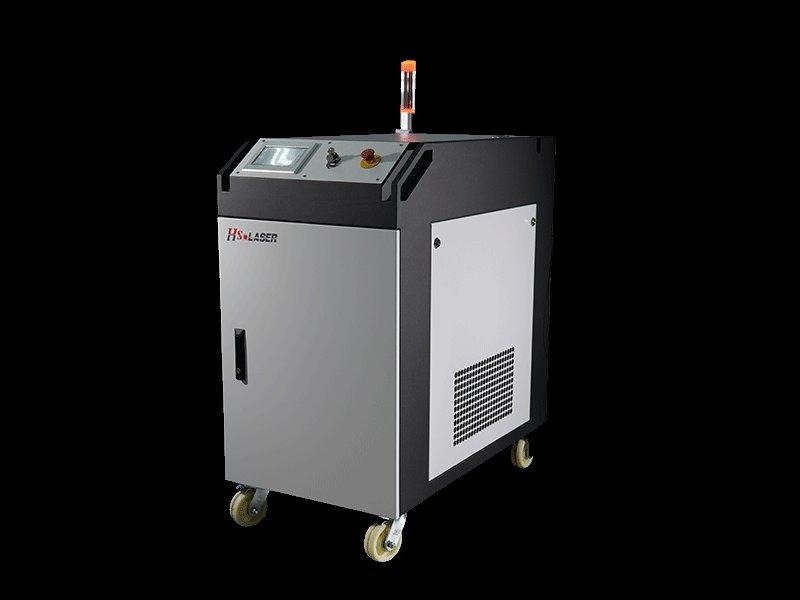

A laser cleaning machine is a precision tool, and like any precision tool it repays proper care. Regular maintenance keeps the beam strong, the results consistent and the machine running for years. Safety practice protects the operator and everyone nearby. Neither task is difficult, but both need to become habit. This guide covers the routine care a machine needs and the safety rules that should never be skipped, so that when you buy from a laser cleaning machine manufacturer you know exactly what ownership involves.
Daily Checks Before You Start
A few minutes of checking at the start of each shift prevents most problems. Inspect the protective lens in the cleaning head: it should be clean and free of spots or damage, since a dirty lens absorbs energy, weakens the beam and can crack. Check the nozzle and the fibre cable for any sign of wear or damage. Make sure the extraction system is working and its filters are not blocked, because the dust from cleaning must be drawn away from the operator and the work area. Check that the cooling system is running and that the temperature display is normal. A good laser cleaning machine manufacturer will supply a short daily checklist with the machine, and following it becomes second nature quickly.
Keeping the Optics Clean
The optics are the most sensitive part of the machine. The protective window shields the focusing lens from dust and spatter, and it is designed to be cleaned or replaced easily. Clean it with the materials the laser cleaning machine manufacturer recommends, usually lint-free wipes and a suitable cleaning fluid, and never with a rough cloth or a solvent that is not approved. Handle lenses by their edges and store spares in their cases. A scratched or dirty lens reduces cleaning power and can cause uneven results, so this small routine has a large effect on performance. Keep a few spare protective windows in stock so a damaged one never stops work.
Cooling, Filters and the Working Environment
Laser sources generate heat, and the cooling system removes it. Air-cooled machines need clean air intakes and filters, while water-cooled machines need their coolant checked and changed on the schedule the laser cleaning machine manufacturer gives. Keep the machine in a reasonably clean, dry place and avoid exposing it to heavy dust when it is not in use. Check the extraction filters regularly: a blocked filter reduces suction and lets dust settle on the work and the optics. These are simple jobs, but they are the difference between a machine that performs like new and one that slowly loses power.
Safety Rules That Matter
Laser cleaning machines are class 4 laser devices, which means the beam can seriously injure eyes and skin. The operator must always wear the laser safety glasses specified for the machine’s wavelength, and everyone nearby must be protected too. Never look directly at the beam or at the bright spot where it hits the surface. Work in a controlled area, with warning signs and barriers where needed, and make sure the extraction system is running so that dust and fumes are removed. Keep flammable materials away from the cleaning area. A responsible laser cleaning machine manufacturer provides full safety training with the machine and supplies the correct glasses and signage.
5 Habits That Extend Machine Life
- Clean the protective lens daily and replace it at the first sign of damage.
- Check cooling and extraction before every shift.
- Follow the laser cleaning machine manufacturer’s service schedule without skipping intervals.
- Store the fibre cable loosely coiled, never bent sharply.
- Train every operator in safety before they touch the machine.
Planning for the Long Term
A laser cleaning machine is a long-term investment, and a little planning protects it. Keep a log of maintenance: lens changes, filter replacements and service visits, so that nothing is missed and any pattern of problems is easy to spot. Train new operators properly rather than letting them learn by trial and error, and keep the laser cleaning machine manufacturer’s guidance close to the machine where it can be consulted. Think ahead about spare parts too. A small stock of protective windows, filters and nozzles costs little and prevents downtime. When you need advice or a service visit, a good laser cleaning machine manufacturer responds quickly and knows your machine’s history. That relationship is worth building from the start. Ask your laser cleaning machine manufacturer about extended service agreements and software updates, since both can extend the useful life of the machine. A system that is looked after properly will clean as well in its fifth year as it did in its first, and the habits that make that happen are simple: check daily, maintain on schedule and never skip safety.
Frequently Asked Questions
How often should a laser cleaning machine be serviced?
Follow the manufacturer’s schedule, which usually means daily lens checks, regular filter changes and a periodic service visit. Heavy daily use shortens the intervals.
What happens if the protective lens gets dirty?
Cleaning power drops and results become uneven, and a badly soiled lens can crack under the beam. Cleaning or replacing the lens promptly solves the problem.
Is laser cleaning safe for the operator?
Yes, when the safety rules are followed: correct glasses, extraction, a controlled area and proper training. The risks come from skipping those rules, not from the technology itself.
See also: Employee Engagement Technology Explained
Final Thoughts
Looking after a laser cleaning machine is mostly a matter of small, regular habits: clean optics, working cooling, clear filters and strict safety practice. None of it is difficult, and all of it protects both the machine and the people using it. Choose a laser cleaning machine manufacturer that trains your team properly and supports you afterwards, and your machine will reward that care with years of reliable work.

 By





 By