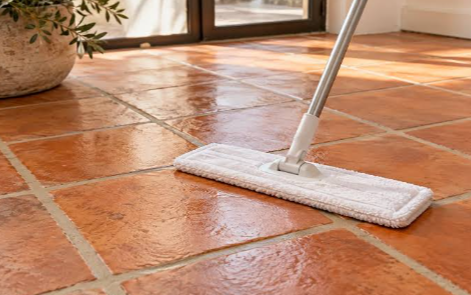

Picture a kitchen floor made from warm, clay-colored tiles that bring rustic character to your space. These traditional terracotta tiles, especially those sourced from Saltillo, Mexico, add unique charm but come with a key vulnerability: their open, natural surface lets water in. If you have ever noticed dark spots after a spill or felt the telltale grit of water-caused residue beneath your feet, you have seen firsthand how quickly moisture can affect an unprotected Saltillo floor. Without proper sealing, daily cooking, mopping, or even a single plumbing mishap can allow moisture to seep into the clay. Over time, this can stain the surface, weaken the material, and create a habitat for mold under your tiles. Applying a high-quality sealer provides an invisible barrier, preserving both the beauty and structure of your Terracotta Tile Kitchen floor by keeping moisture out.
Porosity Challenges of Terracotta Kitchen Tiles
Saltillo tiles are made from natural clay and fired at relatively low temperatures, which leaves them highly porous. This means their surface acts like a sponge, readily absorbing any liquids that come into contact with it. In a kitchen setting, frequent exposure to water from mopping, spills, or steam intensifies the risk of moisture damage. Without protective treatment, water can penetrate deep into the tile, leading to discoloration and eventual structural weakening.
One common issue is the development of stubborn stains from common kitchen substances like olive oil or tomato sauce, which can permanently alter the tile’s appearance if left unsealed. Kitchen owners often find that unsealed Saltillo tiles darken unevenly after even minor exposure to moisture, making regular cleaning a challenge. According to how tile porosity affects maintenance, the open structure of terracotta requires specific sealing to prevent these problems.
Sealing saltillo tile kitchen floors addresses these challenges directly. By filling the microscopic pores, a sealer forms a continuous protective coat that stops liquids from reaching the tile’s interior, preserving both strength and visual appeal.
Chemical Mechanics of Saltillo Surface Sealers
The protection offered by a sealer is not just physical—it’s chemical. Most modern sealers for Saltillo tiles use a blend of resins and solvents designed to penetrate deeply into the clay. Once applied, these compounds bond to the internal structure of the tile, creating a water-repellent layer that blocks both liquid and vapor intrusion. This chemical process is critical in kitchens, where humidity and spills are common.
Penetrating sealers are especially popular for Saltillo because they maintain the tile’s natural look while providing an effective moisture barrier. Topical sealers, which form a film on the surface, can also be used for extra protection in areas prone to standing water. Choosing the right type depends on the kitchen’s usage patterns and cleaning methods. Understanding the differences between penetrating and topical sealers helps homeowners make an informed decision for their space.
When properly selected and applied, a sealer’s chemical action ensures that everyday exposure to water, sauces, and cleaning agents does not reach or degrade the tile beneath.
Preventing Moisture Penetration and Subsurface Mold
Moisture left unchecked can travel beneath the surface of your kitchen tiles, encouraging mold to grow between the tile and subfloor. This hidden mold not only causes unpleasant odors but can also compromise indoor air quality and degrade the adhesive holding your floor together. Once started, subsurface mold is difficult and costly to remediate.
Applying a high-quality sealer to your Terracotta Tile Kitchen ensures that spills and cleaning water remain on the surface, allowing for easy cleanup and preventing water from migrating downward. This simple but crucial step stops moisture at the surface, protecting the underlying materials from long-term damage. Regularly sealed floors are better equipped to withstand the demands of a busy kitchen, where moisture exposure is almost unavoidable.
For homeowners seeking a healthier, longer-lasting floor, sealing Saltillo tile kitchen surfaces is a practical way to avoid the risks of mold and deterioration that stem from unchecked water infiltration.
Long Term Maintenance Protocols for Sealed Floors
Protection from moisture is only as good as the maintenance routine that supports it. Sealed Saltillo tiles require periodic inspection to ensure the sealer remains intact. Over time, normal foot traffic and cleaning agents can wear down the protective barrier, making timely reapplication essential for ongoing performance.
Most experts recommend checking the tile’s water repellency at least once a year by placing a few drops of water on the surface. If the water is quickly absorbed, it’s time to reapply the sealer. Use cleaners specifically labeled as compatible with sealed terracotta to avoid stripping the protective layer. Following a defined maintenance protocol for sealed tile floors extends the lifespan of both the sealer and the underlying tile.
By integrating sealing into your kitchen’s regular care routine, you safeguard your investment and ensure that the distinctive character of Saltillo tiles remains undiminished for years to come.
Conclusion
For lasting protection against moisture damage in your Terracotta Tile Kitchen, prioritize sealing and make periodic maintenance a standard part of your cleaning schedule. A well-chosen and properly maintained sealer is the most effective defense against stains, water intrusion, and hidden mold—preserving both the beauty and function of your Saltillo tile floor.


 By




 By