
Boxing is often associated with competitive sport, but it is also practised by people who want to develop fitness, coordination and confidence. Training sessions can combine movement drills, bag work, footwork exercises and conditioning activities. Whether someone is interested in learning basic techniques or improving athletic performance, a structured approach can make training more effective and enjoyable.
For beginners, understanding the fundamentals and choosing an appropriate class are important first steps.
What Does a Boxing Class Involve?
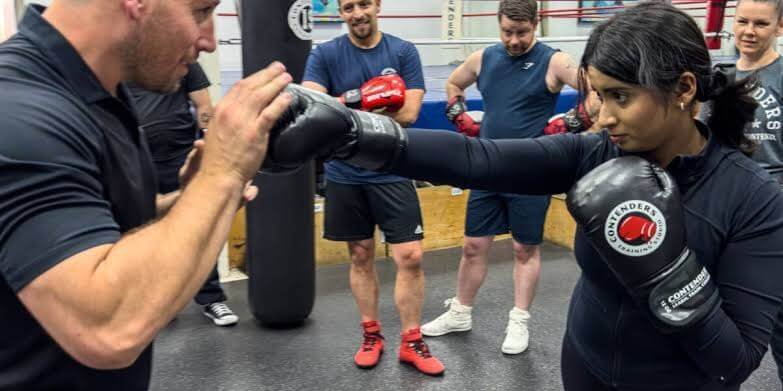
A typical boxing session may include a warm-up, technique practice, conditioning exercises and a cool-down. The exact structure depends on the coach, class level and training objectives.
Beginners may learn basic stance, guard position, movement and punching mechanics. More experienced participants may work on combinations, defensive movements, timing and controlled partner drills.
Not every boxing class involves sparring. Many fitness-focused sessions concentrate on technique and conditioning without direct contact.
Physical Benefits of Regular Training
Boxing training can involve cardiovascular exercise, muscular endurance, balance and coordination. Moving around the training area while practising combinations requires the body to work in a coordinated way.
Sessions may also include bodyweight exercises, skipping or other conditioning activities. The intensity should be appropriate for the participant’s fitness level and experience.
People returning to exercise after a long break may benefit from starting gradually rather than attempting demanding sessions immediately.
Learning Proper Technique
Good technique is important for both performance and safety. Beginners should learn how to position their feet, maintain balance and move their hands correctly before increasing speed or power.
Coaches can help identify common mistakes, such as dropping the guard, overextending punches or losing balance during movement.
Practising slowly at first can help build consistency. Speed and intensity can be increased as technique improves.
Choosing a Suitable Training Environment
People looking for Boxing classes Hong Kong should compare class structure, coaching experience, facilities and beginner support.
Useful questions include:
- Are beginner sessions available?
- What equipment is provided?
- How large are the classes?
- Are sessions focused on fitness, technique or competition?
- Is sparring optional or part of a particular programme?
- What safety procedures are followed?
- Are trial sessions or introductory options available?
A suitable training environment should encourage learning while respecting individual experience and fitness levels.
Equipment for Beginners
The equipment required depends on the class. Boxing gloves, hand wraps and suitable sports clothing are common items. Some gyms provide shared equipment, while others expect participants to bring their own.
Hand wraps help support the hands and wrists when used correctly. Gloves should fit appropriately and be suitable for the type of training.
Comfortable footwear and breathable clothing can also make movement easier. Ask the coach or gym about equipment requirements before purchasing anything.
Safety and Recovery
Boxing is a physical activity, so preparation and recovery matter. Begin with a warm-up and follow the coach’s instructions. Avoid training through sharp pain or symptoms that suggest an injury.
Hydration, adequate rest and gradual progression can help support recovery. Beginners should allow time to adapt to new movements and training demands.
Contact sparring carries additional risks, including head and facial injuries. Anyone considering sparring should understand the risks, use appropriate protective equipment and follow qualified coaching and safety procedures. People with relevant medical concerns should seek professional advice before participating.
Building Confidence Through Consistency
Progress in boxing usually develops through repeated practice. Learning to coordinate footwork, movement and combinations takes time.
Setting realistic goals can help maintain motivation. A beginner might focus on learning a stable stance or completing a basic combination with correct form before working on more advanced skills.
Regular attendance and constructive feedback can help participants recognise improvements without comparing their progress too closely with others.
Frequently Asked Questions
1. Can beginners join boxing classes?
Many gyms offer introductory sessions designed for people with little or no experience. Check the class description and ask about beginner support before attending.
2. Do boxing classes always include sparring?
No. Many classes focus on fitness, technique and bag work. Sparring is usually a separate activity or part of a specific training programme, depending on the gym.
3. What should I bring to my first boxing session?
Wear comfortable sports clothing and bring water. Ask the gym whether gloves and hand wraps are provided or whether you need to bring your own.
Conclusion
Boxing training can offer an engaging way to develop fitness, coordination and technical skills. Choosing a suitable class, learning fundamentals and progressing gradually can help beginners build confidence. With qualified coaching, appropriate equipment and attention to safety, participants can make boxing a structured part of their exercise routine.


 By






 By