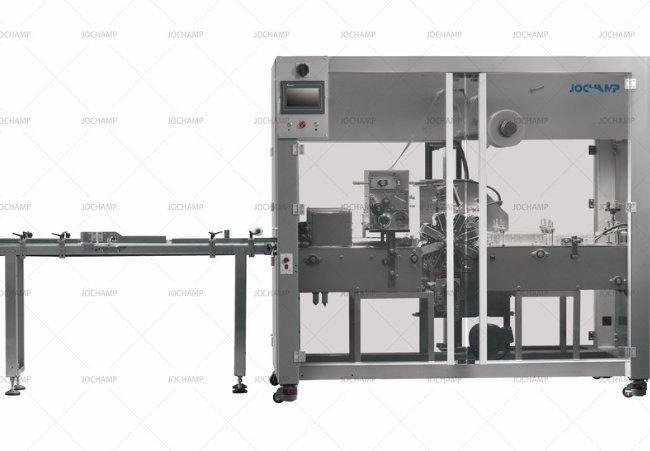

Not all clear films are the same. A box wrapped in cellophane looks and feels different from one wrapped in polypropylene, and the choice affects how the pack looks, how it seals, and what happens to it after the customer throws it away. Most modern cellophane overwrapping machines run more than one type of film, so it is worth understanding the differences before you order. This guide compares the main options for a cellophane overwrapping machine.
What Cellophane Actually Is
Cellophane is made from regenerated plant fibre, usually wood pulp. It is transparent, glossy and crisp to the touch, and has been used for wrapping food, tobacco and gifts for many decades. One of its most useful qualities is that it lets very little moisture through, which keeps dry products fresh. It also has a distinctive stiffness: it folds into sharp, neat creases, which is why the end folds on a wrapped box look so tidy.
Cellophane is also compostable in the right conditions, which matters more to customers each year. It breaks down naturally, unlike most plastic films, and leaves no microplastic fragments behind. For producers who sell natural, organic or eco-friendly products, that is a genuine selling point, and it is printed on the pack for a reason.
Polypropylene: The Common Alternative
Polypropylene film, often shortened to PP or BOPP, is the most common alternative run on a cellophane overwrapping machine. It is a plastic film, made from oil-based materials, and it is cheaper than cellophane. It is also tougher and more flexible, so it resists tearing and handles rough transport better. The film is very clear, and it seals at a lower temperature than cellophane, which can make the machine run faster.
The trade-off is the look and the feel. Polypropylene is softer and less crisp than cellophane, so the folds are not quite as sharp, and the wrap has a slightly different shine. It is also not compostable, and it needs to go into plastic recycling streams, which not every customer can access. For many products, though, the lower cost and extra toughness make it the practical choice.
Other Films Worth Knowing About
A few other films are worth knowing about. Polylactic acid film, known as PLA, is made from plant starch and compostable in industrial facilities. It looks and feels similar to polypropylene, and appeals to producers who want a plant-based film with a modern image. It can be more expensive and it needs careful storage, because it is sensitive to heat.
Shrink film is a different idea altogether. It is wrapped loosely around a product and then heated, so it shrinks tight. It gives a very tight finish, but it needs a heat tunnel and it does not give the same crisp folded ends as a cellophane overwrapping machine. PVC film is also sometimes used, but it is falling out of favour because of concerns about its production and disposal, and many producers now avoid it.
How the Films Compare on the Machine
The film you choose changes how the cellophane overwrapping machine behaves. Cellophane needs a higher sealing temperature and a firm fold on a cellophane overwrapping machine, but it rewards the operator with sharp creases and a bright finish. Polypropylene seals more easily and forgives small setting errors, which makes it a good choice when operators are still learning. PLA behaves much like polypropylene but needs a cooler, drier store, since heat and damp can make it brittle.
Film thickness matters for a cellophane overwrapping machine as well. Thinner films cost less and wrap easily, but they tear more readily and offer less protection. Thicker films are tougher and look more substantial, but they need more heat to seal and can be harder to fold neatly. Most producers settle on a middle thickness that balances cost, protection and appearance, and they stick with it once the machine is set up properly.
See also: Employee Engagement Technology Explained
5 Differences That Matter Most
- Appearance: cellophane is crisper and glossier; polypropylene is softer and tougher.
- Sealing: polypropylene seals at lower temperatures and forgives small errors.
- Cost: polypropylene is usually cheaper per roll than cellophane.
- Environment: cellophane and PLA are plant-based; polypropylene is a plastic.
- Feel: cellophane folds into sharp creases; polypropylene feels smoother and more flexible.
Matching the Film to Your Product
The right film depends on the product and the customer. A premium tea or a handmade soap benefits from cellophane, because the crisp, glossy finish suits the brand and the compostable story matches what the customer values. A high-volume product that travels far and needs to survive rough handling may suit polypropylene better, because the film is tougher and cheaper.
Think about what your customer cares about. If they buy your product because it is natural or eco-friendly, cellophane or PLA supports that story. If they buy on price and the pack is likely to be thrown away quickly, polypropylene may be the sensible choice. There is no single best film, only the best film for the product, the brand and the budget.
Frequently Asked Questions
Can my machine run both cellophane and polypropylene?
Most modern cellophane overwrapping machines can, but check your manual for the film width and thickness range. You will need to adjust the sealing temperature when you switch, since the two films seal at different heats.
Is cellophane really better for the environment?
Cellophane is made from plant fibre and breaks down naturally, which is better than most plastic films. It still needs the right composting conditions, so check what your local facilities accept.
Does the film choice change the look of the pack?
Yes. Cellophane gives sharper folds and a brighter shine, while polypropylene gives a slightly softer, more flexible wrap. Customers may not name the difference, but they can see it.
Final Thoughts
Choosing a film for your cellophane overwrapping machine is a balance of appearance, cost, toughness and environmental impact. Cellophane gives the crispest, most traditional finish and the best eco story. Polypropylene gives toughness and value. PLA offers a plant-based middle ground. Try a small run of each on your own products, look at the finished packs side by side, and let the product itself tell you which film belongs on it.

 By




 By