
When a severe storm hits, the aftermath can leave homeowners facing a range of repairs, with gutter damage often high on the list. Gutters play a crucial role in protecting your home from water damage by directing rainwater away from the foundation, siding, and landscaping. After a storm, damaged gutters can lead to leaks, flooding, and even structural issues if not addressed promptly. Understanding the steps to take after storm damage is essential for maintaining your home’s integrity and preventing further complications. Knowing what comes next can help you navigate the process efficiently and restore your home’s protection.
What to Expect After Storm Damage
Assessing the Extent of Gutter Damage
The first step after a storm is to thoroughly assess the condition of your gutters. Walk around your property and look for visible signs of damage such as sagging, detachment from the roofline, cracks, or sections that have been completely torn away. Pay close attention to areas where water may be pooling near the foundation, as this can indicate that gutters are not functioning properly. It is also important to check for less obvious issues like small leaks or blockages caused by debris. Sometimes, the damage may not be immediately apparent, especially if the gutters have been bent or warped in a way that affects their performance over time. Taking photographs of the damage can be helpful for insurance claims and for communicating with contractors. If you notice any signs of water intrusion inside your home, such as damp walls or ceilings, this could be a sign that gutter failure has already started to impact your property. Prompt assessment allows you to prioritize repairs and prevent further issues from developing.
See also: Employee Engagement Technology Explained
Choosing the Right Replacement Materials
Selecting the appropriate materials for your new gutters is a critical decision that will impact the longevity and effectiveness of your gutter system. Homeowners can choose from a variety of materials, including aluminum, vinyl, steel, and copper, each offering different benefits in terms of durability, cost, and appearance. Aluminum gutters are lightweight and resistant to rust, making them a popular choice for many homes. Vinyl gutters are affordable and easy to install, but may not withstand extreme weather as well as metal options. Steel gutters offer strength and durability, particularly in areas prone to heavy storms, while copper gutters provide a distinctive look and long lifespan, though at a higher price point. When considering a gutter install in traverse city, it is important to factor in the local climate and the likelihood of future storms. Consulting with a reputable contractor can help you determine which material will provide the best protection for your home and ensure that your new gutters are installed to withstand the elements.
The Gutter Replacement Process
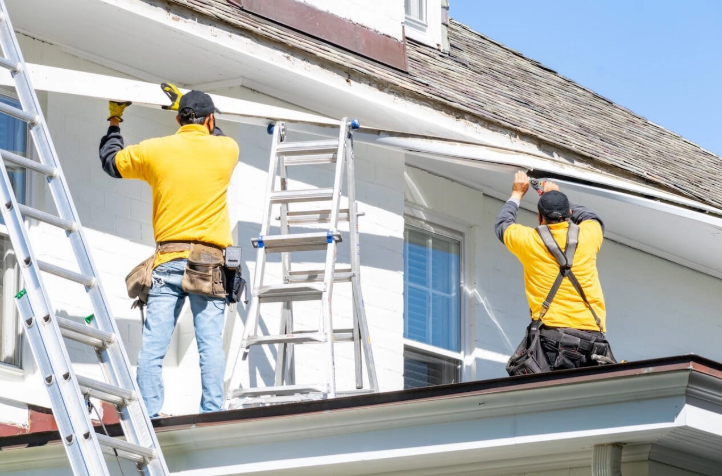
Once you have assessed the damage and selected your materials, the actual replacement process can begin. This typically involves removing the damaged sections of gutter and any associated hardware, such as hangers or downspouts, that may have been compromised during the storm. The installation team will then measure and cut the new gutter sections to fit your home’s dimensions, ensuring a precise fit that promotes optimal water flow. Proper alignment and secure attachment are essential to prevent future issues, so the installers will take care to position the gutters at the correct slope and fasten them firmly to the fascia. Downspouts will be reconnected or replaced as needed to direct water away from the foundation. During this process, it is also a good opportunity to inspect the fascia and soffit for any hidden damage that may have occurred during the storm. Addressing these issues at the same time as the gutter replacement can help prevent future water intrusion and maintain the structural integrity of your home. The entire process can usually be completed within a day or two, depending on the size of your home and the extent of the damage.
Insurance and Warranty Considerations
Navigating insurance claims and understanding warranty coverage are important aspects of replacing gutters after storm damage. Many homeowners’ insurance policies cover storm-related damage, but it is essential to review your policy and understand what is included. Documenting the damage with photographs and detailed notes will support your claim and help ensure you receive appropriate compensation. Contact your insurance provider as soon as possible to report the damage and begin the claims process. In addition to insurance, inquire about warranties offered by the gutter manufacturer and the installation contractor. A good warranty can provide peace of mind by covering defects in materials or workmanship for a specified period. Be sure to keep all receipts, contracts, and warranty documents in a safe place for future reference. Understanding your coverage and rights can help you avoid unexpected expenses and ensure that your investment in new gutters is protected.
Preventing Future Gutter Damage
Taking proactive steps to prevent future gutter damage is an important part of maintaining your home after a storm. Regular maintenance, such as cleaning out leaves and debris, can help keep gutters functioning properly and reduce the risk of blockages that can lead to overflow and water damage. Installing gutter guards can provide an added layer of protection by preventing debris from entering the system while still allowing water to flow freely. It is also important to inspect your gutters periodically for signs of wear or damage, especially after severe weather events. Addressing minor issues promptly can prevent them from developing into more serious problems that require costly repairs. Ensuring that downspouts are directing water away from the foundation and that gutters are securely attached to the fascia will help protect your home from water intrusion and structural damage. By staying vigilant and performing regular maintenance, you can extend the life of your gutters and minimize the impact of future storms.
The Importance of Professional Installation
Hiring a professional for gutter replacement ensures that the job is done safely and correctly. Professionals have the tools and experience to handle all aspects of the installation, from removing damaged sections to securing new gutters in place. They can also identify and address any underlying issues, such as rot or water damage to the fascia, that may not be immediately visible. Proper installation is crucial for the long-term performance of your gutter system, as even small mistakes can lead to leaks, sagging, or detachment during future storms. A professional installation also typically comes with a warranty, providing additional protection for your investment. By entrusting the job to a qualified contractor, you can have confidence that your new gutters will provide reliable protection for your home and help prevent future storm-related damage.
Conclusion
Replacing gutters after storm damage is a vital step in protecting your home from water intrusion and structural issues. By carefully assessing the damage, choosing the right materials, and ensuring proper installation, you can restore your home’s defenses and prevent future problems. Navigating insurance claims and understanding warranty coverage can help you manage costs and safeguard your investment. Regular maintenance and proactive measures will further extend the life of your new gutters and minimize the risk of damage from future storms. Taking these steps not only preserves the value of your property but also provides peace of mind knowing your home is well-protected against the elements.

 By
By





 By
By