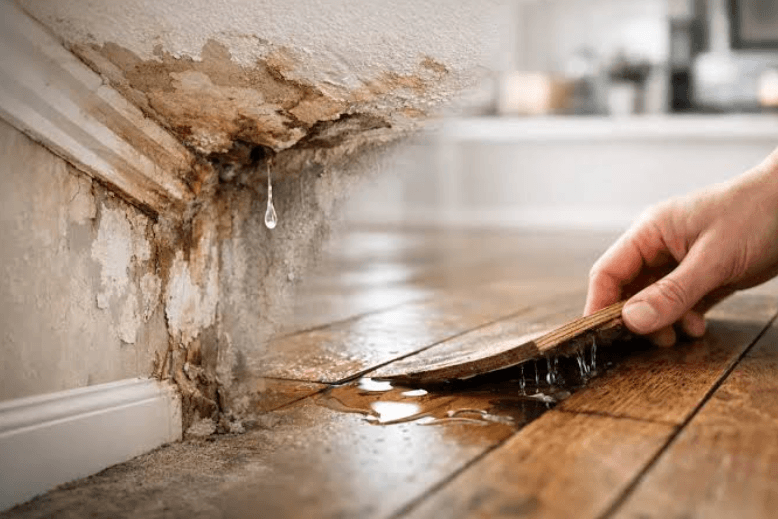

Hidden water damage behind walls and floors is a common but often overlooked problem in many homes and buildings. This type of damage can go unnoticed for months or even years, quietly compromising the structural integrity of your property and creating an environment ripe for mold growth. The causes of hidden water damage are varied, ranging from slow plumbing leaks to issues with exterior drainage. Because the signs are not always obvious, homeowners may not realize there is a problem until significant damage has already occurred. Understanding the sources and warning signs of hidden water damage is crucial for maintaining a safe and healthy living space.
Common sources of hidden water damage
Plumbing leaks and pipe failures
One of the most frequent causes of hidden water damage behind walls and floors is plumbing leaks. Pipes run throughout the structure of a home, often concealed behind drywall, under flooring, or within ceilings. Over time, these pipes can develop small leaks due to corrosion, shifting foundations, or faulty installation. Even a minor drip can lead to significant water accumulation if left unchecked, as the moisture seeps into surrounding materials. This can result in warped wood, crumbling drywall, and the gradual breakdown of insulation. When managing moisture or dealing with the eventual breakdown of wall framing materials, home efficiency updates can offer substantial secondary advantages. Upgrading or reinforcing protective wall materials can significantly reduce unwanted thermal movement and help maintain stable indoor comfort throughout the year. For comprehensive property evaluations, local property owners often work with experts like Insulation Commandos of Southern California to improve their home envelopes against external elements. In some cases, pipe failures are sudden, such as when a pipe bursts due to freezing temperatures or excessive pressure. However, slow leaks are more insidious because they can persist for long periods without detection, causing extensive damage before any visible signs appear. Regular inspection of plumbing systems and prompt attention to any signs of moisture or water stains can help prevent these issues from escalating.
Roof leaks and exterior water intrusion
Another significant source of hidden water damage is roof leaks and exterior water intrusion. Roofs are designed to protect a home from the elements, but over time, shingles can deteriorate, flashing can become loose, and gutters can clog. When this happens, rainwater can find its way into the structure, often traveling along beams and joists before settling behind walls or under floors. Water can also enter through poorly sealed windows, doors, or foundation cracks, especially during heavy storms or prolonged periods of rain. Once inside, the moisture can remain trapped, leading to rot, mold growth, and the weakening of structural components. Homeowners may not notice the problem until they see discoloration on ceilings or walls, or until a musty odor develops. Addressing roof maintenance and ensuring proper drainage around the foundation are essential steps in preventing this type of hidden water damage. If you suspect water has entered your home in this way, it is important to act quickly and get restoration help to minimize long-term consequences.
Appliance malfunctions and HVAC issues
Household appliances and HVAC systems are another common culprit when it comes to hidden water damage. Washing machines, dishwashers, water heaters, and refrigerators all rely on water connections that can fail or become loose over time. A slow leak from an appliance may go unnoticed if it is located in a laundry room, kitchen, or utility closet, especially if the water seeps beneath flooring or behind cabinetry. Similarly, HVAC systems that produce condensation can contribute to hidden moisture problems if the drainage system becomes blocked or if there is a malfunction in the unit. Over time, this moisture can accumulate and cause damage to subfloors, walls, and insulation. The risk is particularly high in areas with high humidity or where appliances are not regularly maintained. Homeowners should be vigilant about checking for signs of leaks around appliances and ensuring that HVAC systems are serviced regularly to prevent hidden water damage from developing.
Signs of hidden water damage
Detecting hidden water damage can be challenging, as the most obvious signs often appear only after significant damage has occurred. However, there are subtle indicators that can alert homeowners to a potential problem. Unexplained increases in water bills may suggest a leak somewhere in the plumbing system. Warped or buckling floors, peeling paint, or bubbling wallpaper can also be signs that moisture is trapped behind surfaces. A persistent musty odor, even after cleaning, often indicates the presence of mold or mildew, which thrives in damp, hidden spaces. In some cases, you may notice discoloration or staining on walls or ceilings, which can signal that water has been present for some time. Paying attention to these warning signs and investigating their source promptly can help prevent further damage and costly repairs.
See also: Decorate a Stylish Home on a Budget
The role of condensation
Condensation is a less obvious but important factor in hidden water damage. When warm, moist air comes into contact with cooler surfaces, such as exterior walls or uninsulated pipes, condensation can form. Over time, this moisture can accumulate behind walls or under floors, especially in areas with poor ventilation. Bathrooms, basements, and kitchens are particularly susceptible to condensation-related issues. If left unchecked, the constant presence of moisture can lead to mold growth and the deterioration of building materials. Improving ventilation, using dehumidifiers, and insulating pipes and walls can help reduce the risk of condensation and the hidden water damage it can cause.
Mold growth and health risks
Hidden water damage often leads to mold growth, which can pose serious health risks to occupants. Mold thrives in damp, dark environments and can begin to grow within 24 to 48 hours of water exposure. Once established, mold releases spores into the air, which can trigger allergic reactions, respiratory problems, and other health issues, particularly in individuals with preexisting conditions. The presence of mold behind walls or under floors is especially concerning because it can go undetected for long periods, allowing the problem to worsen. In addition to health risks, mold can cause significant damage to building materials, leading to costly remediation efforts. Addressing hidden water damage promptly is essential to prevent mold growth and protect the health of everyone in the home.
Preventing hidden water damage
Preventing hidden water damage requires a proactive approach to home maintenance. Regularly inspecting plumbing systems, roofs, and appliances for signs of leaks or wear can help catch problems early. Ensuring that gutters and downspouts are clear and directing water away from the foundation can reduce the risk of exterior water intrusion. Proper ventilation in bathrooms, kitchens, and basements can help control humidity and prevent condensation. Installing water leak detectors and monitoring water usage can also provide early warning of potential issues. By staying vigilant and addressing maintenance needs promptly, homeowners can significantly reduce the likelihood of hidden water damage and the costly repairs that often follow.
When to call a professional
Sometimes, hidden water damage is too extensive or difficult to address without professional assistance. If you notice persistent signs of moisture, mold growth, or structural damage, it is important to seek help from a qualified restoration company. Professionals have the tools and experience to locate hidden leaks, assess the extent of the damage, and develop a comprehensive plan for remediation. They can also help identify the underlying cause of the problem and recommend steps to prevent future occurrences. Acting quickly can minimize the impact of hidden water damage and ensure that your home remains safe and healthy for years to come.
Conclusion
Hidden water damage behind walls and floors is a serious issue that can compromise the safety, health, and value of your home. The causes are varied, from plumbing leaks and roof failures to appliance malfunctions and condensation. Because the signs are often subtle or hidden, early detection and prompt action are essential to prevent extensive damage and costly repairs. Regular maintenance, vigilance for warning signs, and timely intervention can help protect your property from the long-term effects of hidden water damage. If you suspect a problem, do not hesitate to take action to safeguard your home and the well-being of its occupants.

 By
By



 By
By