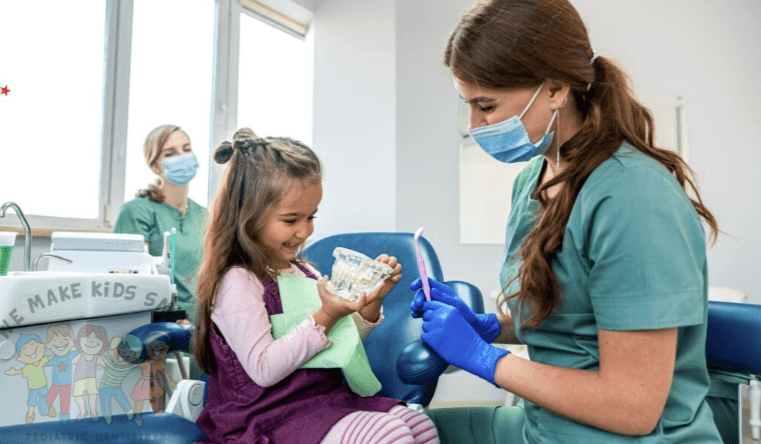

The first orthodontic consultation is mostly about information. No braces go on that day, and in many cases the result is simply a plan to watch and wait. Still, it is a valuable appointment, and a little preparation helps families leave with clear answers instead of more questions.
Why the consultation happens early
Orthodontic organizations recommend an initial evaluation around age seven. By then most children have their first permanent molars and permanent front teeth, which gives enough information to judge bite development and space. Some problems, such as crossbites and severe crowding, are easier to address while the jaws are still growing. Others are best left until all permanent teeth arrive. The early consultation helps sort which category a child falls into.
What happens during the visit
A typical consultation includes a conversation about medical and dental history, an exam of the teeth and jaws, and often photos and X-rays. A panoramic X-ray shows all developing teeth, including those still under the gums, and can reveal missing, extra, or impacted teeth. Some offices take a digital scan of the teeth, which replaces older putty impressions and is much more comfortable for kids.
The orthodontist looks at how the upper and lower teeth meet, how much space exists for incoming teeth, how the jaw moves, and whether habits like thumb sucking or tongue thrusting may be affecting development.
Bring the right information
A few things make the visit more productive. Bring a list of any medications and health conditions. Note any habits you have noticed, such as mouth breathing, snoring, teeth grinding, or prolonged pacifier use. If your child has had dental injuries, mention when they occurred. Previous X-rays from the family dentist can sometimes be forwarded ahead of time, which may reduce the need for new images.
Insurance details are also helpful. Orthodontic coverage often works differently than regular dental coverage, with lifetime maximums and age limits.
Questions worth asking
Parents often get more value when they arrive with specific questions. Consider asking:
What is the main issue you see, and is it related to teeth, jaws, or both? Does my child need treatment now, later, or possibly never? What happens if we wait? If treatment is recommended now, will a second phase likely be needed later? How long would each phase last, and what is the approximate cost? What would be expected of my child at home?
Families gathering information on planning for kids braces often find that asking “what happens if we wait” is the most revealing question, because it shows whether early treatment is necessary or optional.
See Also: Innovative Fleet Solutions for Efficient Business Operations
Preparing your child
Children may feel nervous about a new office. Explain that the visit is mostly looking and taking pictures, with nothing that hurts. Some kids like knowing they will see a big camera that goes around their head for the X-ray. Reading a children’s book about braces or watching a short age-appropriate video can make the idea less mysterious.
Involve older children in the conversation. Pre-teens and teens are the ones who will wear appliances and follow instructions, so their understanding and buy-in matter.
Understanding the outcomes
Most consultations lead to one of three outcomes. The first is no treatment needed, with routine monitoring by the family dentist. The second is observation, where the orthodontist schedules periodic checks, often every six to twelve months, to watch growth and tooth eruption. The third is a recommendation for treatment, either early interceptive treatment or comprehensive treatment if the child is older.
Observation visits are usually free or low cost in many practices and give families a chance to build a relationship with the office before any treatment begins.
Comparing opinions
It is reasonable to get more than one opinion, especially for complex cases or when early treatment is recommended. Different orthodontists may have slightly different philosophies on timing. When comparing, look at the diagnosis and goals rather than only the price or appliance type.
Financial planning
If treatment is likely in the next few years, the consultation is a good time to ask about payment plans and how insurance benefits apply. Some families use flexible spending or health savings accounts for orthodontic costs. Knowing approximate figures early allows for planning rather than surprise.
After the visit
Most offices provide a written summary or treatment plan. Review it at home, note any follow-up questions, and call the office if anything is unclear. Keep up regular dental checkups and cleanings in the meantime, since healthy teeth and gums are a requirement before any orthodontic appliance is placed.
A first consultation is rarely the start of braces. It is the start of a plan, and arriving prepared helps ensure that plan fits both the child’s needs and the family’s situation.


 By










 By